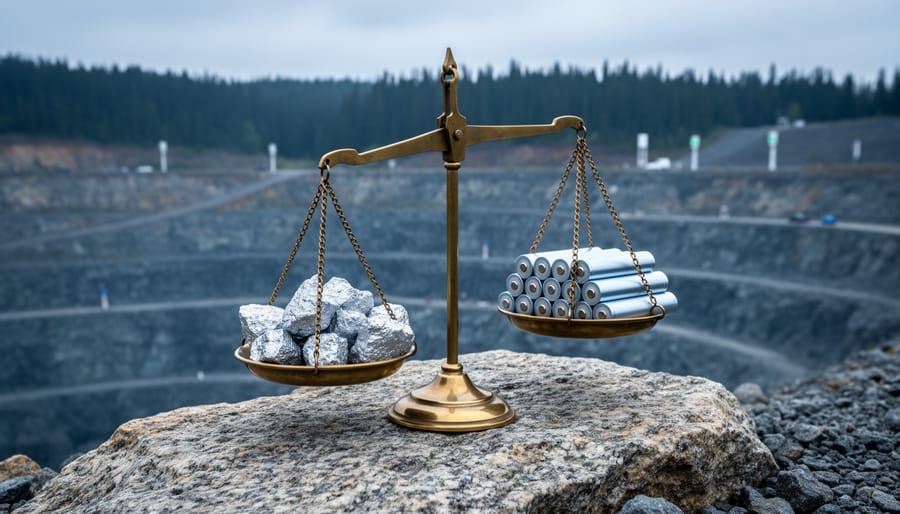
Predicting nickel prices for 2025 feels less like financial analysis and more like pag bet login speculation—a gamble where stakeholders weigh volatile odds against competing global forces. Canada’s nickel market stands at a crossroads where electric vehicle demand, Indonesian supply dominance, and domestic mining sustainability converge to create unprecedented uncertainty. Industry forecasts range dramatically from $18,000 to $25,000 per metric tonne, reflecting deep disagreements about battery technology adoption rates and China’s economic trajectory.
This volatility carries real consequences beyond trader spreadsheets. For Indigenous communities near Ontario’s nickel belt and Manitoba’s Thompson region, price swings determine employment stability, environmental remediation funding, and consultation outcomes. Environmental advocates watch closely as higher prices could either incentivize responsible Canadian production with stricter standards or trigger rushed extraction with insufficient oversight.
Understanding these “odds” requires moving past simple price targets to examine what drives nickel’s unpredictable nature: geopolitical tensions affecting Indonesian exports, technological shifts toward nickel-rich battery chemistries, and Canada’s competitive position as a jurisdiction balancing resource development with reconciliation commitments. Rather than treating 2025 projections as betting lines, this analysis explores how Canadian stakeholders—from mining companies to First Nations to clean energy advocates—can navigate uncertainty through collaboration, transparency, and long-term thinking that prioritizes community resilience alongside market positioning. The real stake isn’t guessing the right number, but building systems that withstand any outcome.
The Betting Landscape: What’s Actually Driving Nickel Uncertainty
The Favorites: Electric Vehicle Demand
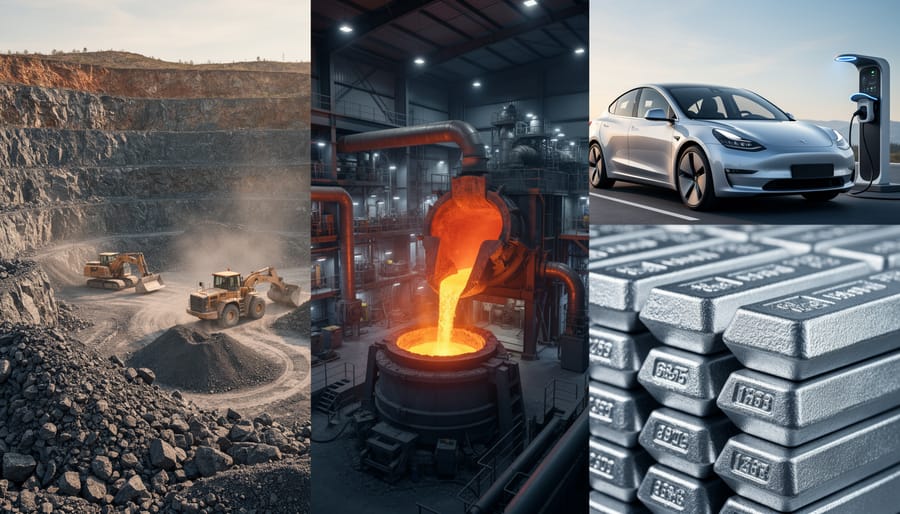
If you’re looking for a sure thing in nickel markets, electric vehicles come closest to a guaranteed outcome. The International Energy Agency projects EV sales will continue climbing through 2025 and beyond, with each vehicle requiring substantial nickel content for battery production—particularly in nickel-manganese-cobalt and nickel-cobalt-aluminum chemistries that dominate the market.
Canada stands positioned as a favored player in this growing demand. The country hosts significant nickel deposits across Ontario, Quebec, and Manitoba, with operations increasingly adopting responsible extraction practices that appeal to environmentally conscious automakers. Several Indigenous communities have entered partnership agreements with mining companies, ensuring local benefits flow from this EV-driven demand surge.
What makes this demand particularly reliable is the transition timeline. Major automakers have committed to electrification targets for the next decade, creating predictable nickel requirements that mining operations can plan around. Unlike speculative commodity plays, EV battery demand represents structural change in global transportation.
However, the competitive landscape involves more than just geology. Canadian producers must continue demonstrating environmental stewardship and meaningful community engagement to maintain their advantage over lower-cost producers elsewhere. The winning bet isn’t simply on nickel demand existing—it’s on Canada delivering responsibly sourced material that aligns with the values driving the EV revolution itself.
The Wildcards: Global Supply Chain Disruptions
While analysts model supply and demand curves, several unpredictable wildcards could dramatically shift nickel prices in 2025. Indonesia, now controlling over half of global nickel production, remains the market’s most volatile element. Policy changes around export quotas or processing requirements can ripple through international markets within weeks, directly affecting Canadian producers’ competitive positioning.
Processing capacity presents another challenge. The shift toward high-purity nickel for EV batteries requires specialized facilities that take years to build. Bottlenecks at refineries—whether from technical issues, labor disputes, or permitting delays—can create artificial scarcity regardless of raw ore availability. For Canadian operations, particularly those in partnership with Indigenous communities developing new processing infrastructure, these capacity constraints represent both risk and opportunity.
Climate events add further uncertainty. Extreme weather disrupting mining operations in major producing regions, or transportation challenges affecting northern Canadian sites, can trigger rapid price movements. Understanding these wildcards helps resource professionals, policymakers, and communities prepare contingency plans rather than simply reacting to market swings. The key is building resilient supply chains that can adapt when these unpredictable factors emerge.
Canada’s Hand in the Game: Our Nickel Advantage
Ontario and Manitoba: The Home Teams
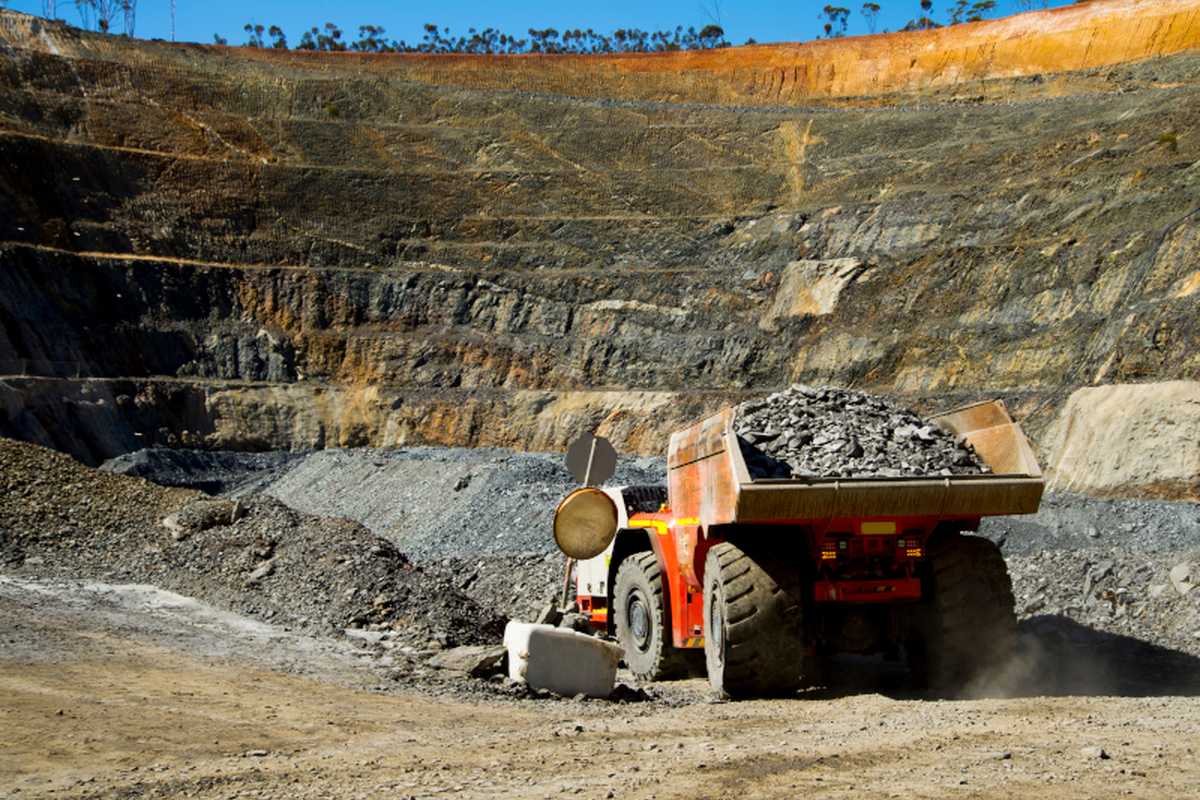
Canada’s nickel story centers primarily in two provinces: Ontario and Manitoba, where geology and decades of expertise converge to position the nation as a significant player heading into 2025. Ontario’s Sudbury Basin remains legendary, producing approximately 40,000 tonnes of nickel annually through operations that have evolved from traditional mining to increasingly sustainable practices. Vale and Glencore continue large-scale extraction here, while companies like Canada Nickel are advancing projects that integrate carbon capture technologies—a crucial innovation as nickel mining in Canada responds to environmental expectations.
Manitoba contributes through the Thompson Nickel Belt, where Vale’s operations employ hundreds of community members, many from nearby Indigenous nations who participate through impact benefit agreements and workforce partnerships. Together, these regions supply roughly 160,000 tonnes annually, representing about 5% of global production.
As 2025 approaches, production capacity faces competing pressures: growing electric vehicle demand versus aging infrastructure and regulatory requirements for lower environmental footprints. Several First Nations are exploring co-development models that balance economic opportunity with land stewardship—an approach that could redefine how Canada’s nickel resources contribute to the energy transition while respecting territorial rights and ecological limits. This regional foundation makes understanding price movements particularly relevant for Canadian workers, communities, and investors alike.
The Sustainability Premium: Canada’s Winning Strategy
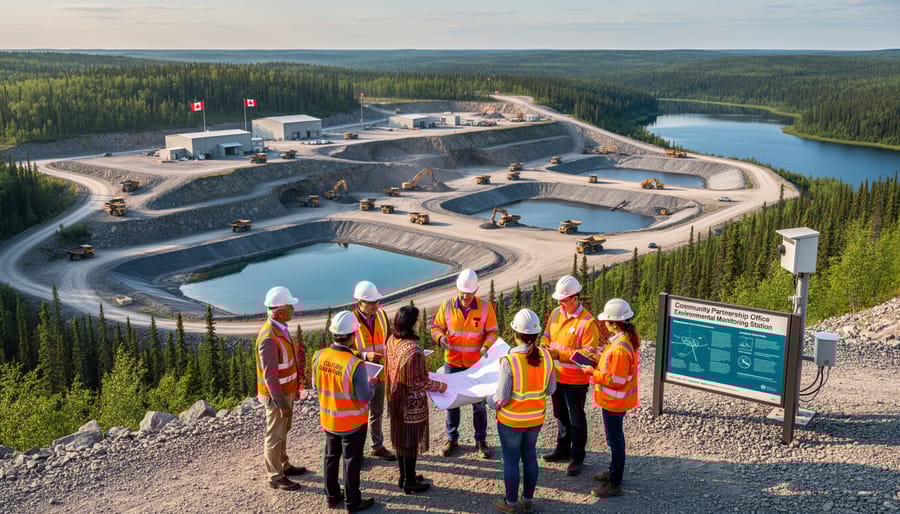
Canada’s nickel sector is positioning itself to capture what industry analysts call the “sustainability premium”—a competitive advantage that transcends traditional commodity pricing. As global manufacturers prioritize ethical supply chains, particularly for electric vehicle batteries, Canadian producers are demonstrating that responsible practices deliver measurable market benefits.
The integration of sustainable mining practices and meaningful partnerships with Indigenous communities creates differentiation in an increasingly crowded market. Companies that collaborate with First Nations through revenue-sharing agreements, environmental co-management, and skills development programs are securing social licenses that reduce operational risks and project delays.
This approach resonates with automakers facing pressure to verify their battery metal sources. Several Canadian operations have achieved certifications demonstrating reduced carbon footprints and Indigenous consent, making their nickel more attractive despite potentially higher production costs. Research indicates buyers will pay 5-15 percent premiums for verified sustainable nickel.
For investors evaluating 2025 nickel price prospects, this sustainability dimension represents a hedge against volatility. While commodity prices fluctuate with global supply-demand dynamics, the premium for responsibly sourced Canadian nickel provides stability. Indigenous-led environmental monitoring and community-centered development aren’t just ethical imperatives—they’re strategic assets that strengthen Canada’s competitive position in the critical minerals economy.
Reading the Odds: Expert Forecasts for 2025
Like analyzing odds before placing a bet, understanding nickel price forecasts requires examining multiple perspectives and the reasoning behind each position. For 2025, expert predictions span a considerable range, reflecting the metal’s inherent unpredictability and the complexity of factors at play in Canadian and global markets.
The bullish camp sees nickel prices climbing toward $22,000 to $25,000 per tonne, driven primarily by electric vehicle battery demand. These analysts point to accelerating EV adoption targets, particularly in jurisdictions with aggressive climate policies, and potential supply constraints from Indonesia’s evolving export regulations. In Canada, this optimistic scenario would significantly benefit mines in Ontario and Manitoba, potentially catalyzing new exploration projects that have awaited more favorable economics. Indigenous communities with partnerships in nickel mining would see enhanced revenues under this forecast, enabling greater investment in community infrastructure and environmental stewardship programs.
The moderate or consensus view places nickel between $18,000 and $21,000 per tonne throughout 2025. This forecast acknowledges solid battery demand growth but tempers expectations with realistic assessments of Indonesian supply capacity and slower-than-anticipated transitions away from lower-grade nickel pig iron. For Canadian operations producing battery-grade nickel, this middle ground still represents viable economics, though with tighter margins requiring operational efficiency.
The bearish perspective suggests prices could dip to $15,000 to $17,000 per tonne if global economic headwinds intensify or if technological breakthroughs reduce nickel content requirements in batteries. Some analysts worry about demand destruction from prolonged high interest rates or geopolitical disruptions affecting manufacturing sectors.
Understanding these forecasts matters beyond speculation. For Canadian communities navigating mining agreements, policymakers planning economic diversification, and environmental advocates assessing industry sustainability commitments, these price ranges represent different futures with distinct implications for employment, revenue sharing, environmental protection investments, and the pace of transitioning toward responsible mining practices that respect both land and people.
What the Smart Money Knows: Beyond Price Speculation
Community Stakes: When Mining Towns Gamble on Nickel
Beyond quarterly reports and commodity charts, nickel price swings reshape lives in northern Ontario and Manitoba mining communities. When prices soared past $100,000 per tonne in March 2022, Thompson and Sudbury buzzed with optimism—new hires, expanded operations, and renewed economic vitality. Six months later, as prices plummeted 60%, that optimism gave way to layoff notices and project deferrals.
For Indigenous communities near proposed nickel developments, price volatility creates planning paralysis. The Tahltan Nation in British Columbia and Mattagami First Nation in Ontario face impossible decisions: negotiate impact benefit agreements for projects that may never materialize, or risk missing opportunities for employment and revenue sharing when prices surge. Indigenous partnerships require stable, long-term commitments that volatile markets undermine.
Communities dependent on single-industry employment watch global speculation dictate local futures. When nickel prices favor Indonesia’s lower-cost operations, Canadian towns face existential questions about economic diversification. The human cost of treating nickel as a financial betting opportunity becomes stark when schools, healthcare services, and community programs depend on mine revenues that fluctuate with algorithmic trading patterns half a world away.
The Environmental Hedge: Sustainable Mining as Risk Management
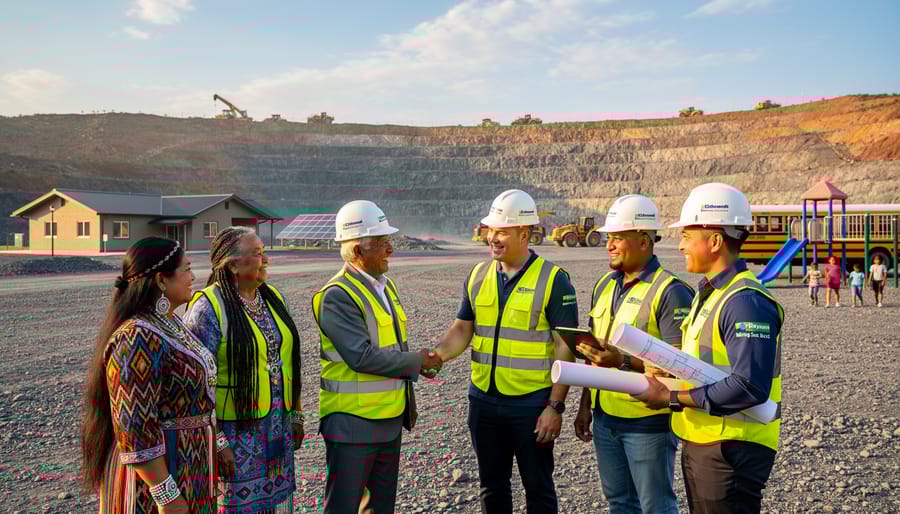
When nickel prices swing dramatically, companies grounded in sustainable practices demonstrate remarkable resilience. Rather than viewing environmental stewardship as a cost burden, forward-thinking Canadian operations recognize it as sophisticated risk management—a hedge against market volatility and regulatory shifts.
Sustainable mining operations build stronger relationships with Indigenous communities and regulatory bodies, reducing operational disruptions that devastate bottom lines during price downturns. When nickel trades at $15,000 per tonne instead of $25,000, companies facing community opposition or environmental violations hemorrhage value through project delays and legal challenges. Meanwhile, operators committed to environmental excellence maintain their social license and operational continuity.
This stability translates directly to investor confidence. Projects demonstrating robust environmental credentials access lower-cost capital and attract patient, long-term investment rather than speculative hot money that evaporates when prices dip. Canadian mining companies implementing circular economy principles—recycling water, minimizing tailings, reducing emissions—aren’t just protecting ecosystems; they’re insulating themselves from carbon pricing, tightening regulations, and shifting investor expectations.
For 2025’s uncertain price landscape, this environmental hedge offers something rare in commodity markets: predictability. While nickel prices will fluctuate, sustainable operations preserve their fundamental value proposition regardless of short-term market turbulence.
Playing the Long Game: What 2025 Really Means for Canadian Nickel
While short-term price predictions capture headlines, the real opportunity for Canadian nickel lies in building lasting foundations that transcend market fluctuations. Think of 2025 not as a finish line, but as a milestone in a much longer journey toward sustainable resource development.
Infrastructure investments today determine tomorrow’s competitive advantage. Canada’s remote nickel deposits require significant transportation, power, and processing infrastructure—investments that pay dividends across decades, not quarterly reports. Forward-thinking companies are partnering with provincial and federal governments to develop green energy corridors that power mining operations with renewable sources, reducing both costs and carbon footprints while creating economic stability regardless of price volatility.
Policy frameworks are equally critical. Progressive jurisdictions are implementing mineral development agreements that balance extraction with environmental stewardship and community benefit. These frameworks provide the regulatory certainty that attracts long-term investment, even during price downturns. When investors see clear, consistent rules that protect both profits and ecosystems, they’re more willing to weather temporary market storms.
Perhaps most importantly, partnership models with Indigenous communities are redefining what responsible mining means. Revenue-sharing agreements, employment guarantees, and genuine consultation processes create shared prosperity rather than extractive relationships. Several Canadian nickel projects now feature Indigenous equity partnerships, where First Nations hold ownership stakes and decision-making authority. These arrangements aren’t just ethically sound—they’re strategically brilliant, building social license that protects operations through economic cycles.
The question isn’t whether nickel will hit a particular price point in 2025, but whether Canada’s nickel sector will establish the relationships, infrastructure, and policies that ensure resilience and prosperity for generations. That’s the bet worth making, with odds that improve through intentional action rather than market speculation.
While nickel markets may share surface similarities with sports betting—volatility, competing forecasts, unpredictable global forces—there’s one fundamental difference: Canada isn’t merely placing bets on outcomes beyond its control. Unlike passive gambling, the nickel industry’s future can be actively shaped through deliberate choices made today. Indigenous communities stewarding traditional territories, mining companies investing in cleaner technologies, policymakers crafting responsible regulations, and workers demanding safer conditions all hold influence over how this story unfolds.
The real stakes aren’t odds to calculate but opportunities to seize. Canada’s nickel resources represent more than commodity prices on a ticker—they’re pathways toward sustainable battery production, meaningful reconciliation with First Nations, and climate solutions that reduce global emissions. Rather than speculating from the sidelines, Canadians across sectors can engage directly: supporting companies committed to environmental accountability, advocating for community benefit agreements that respect Indigenous sovereignty, and demanding transparency throughout supply chains.
The invitation isn’t to predict 2025’s nickel prices with certainty—that remains impossible—but to participate in creating the conditions where volatile markets serve people and planet, not just profit margins. That’s a wager worth making.