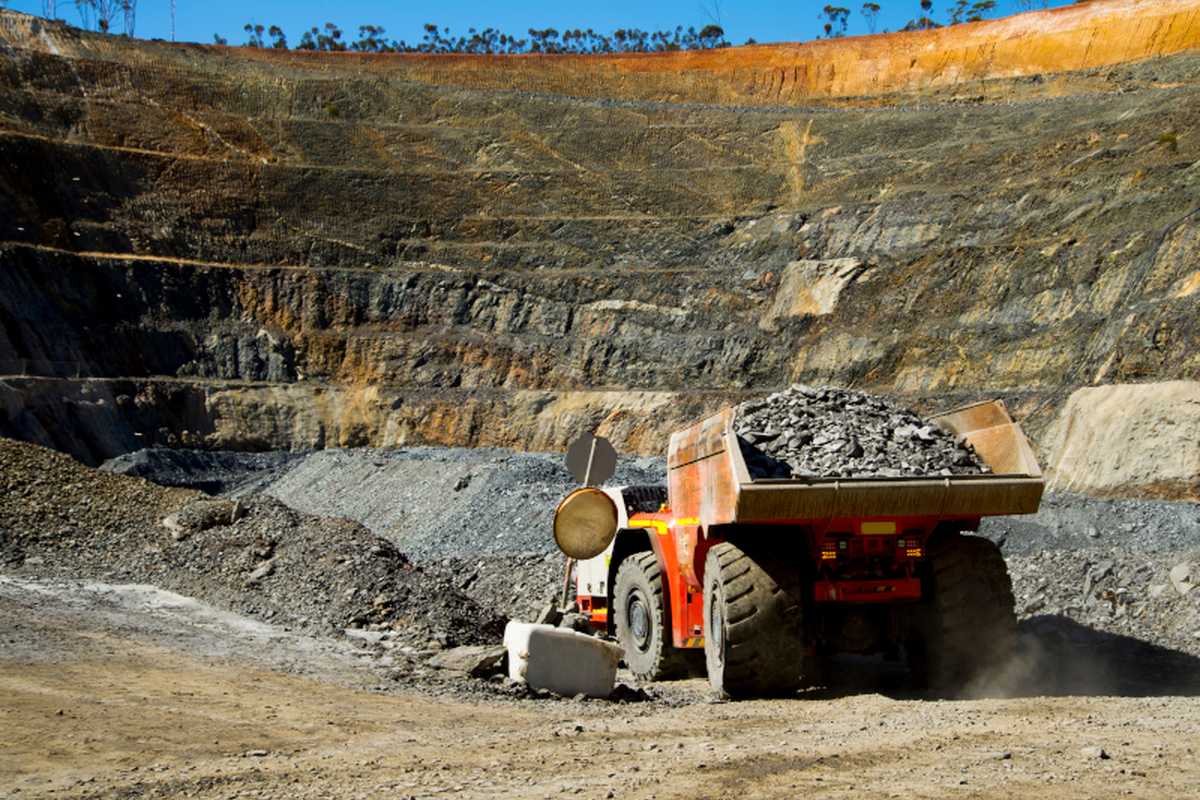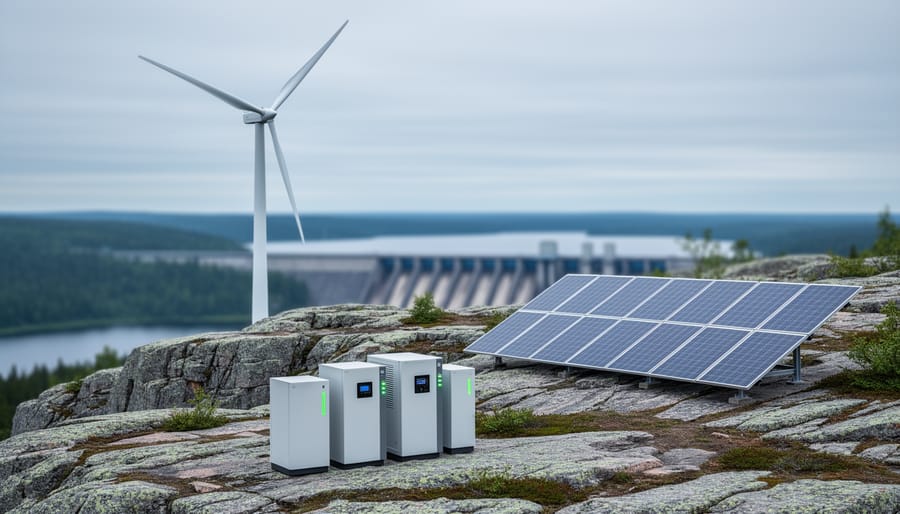
Responsible online-casino play powered by renewable energy means choosing platforms that offset their digital carbon footprint with clean energy investments while gambling within personal limits. When you play btc casino games or traditional online slots, those transactions and server farms consume significant electricity. Progressive operators now source wind, solar, and hydroelectric power to run their data centers, while the batteries and infrastructure enabling that transition depend on responsibly mined nickel, cobalt, and lithium from regions like Northern Ontario and Quebec.
Canada sits at the centre of this convergence. The country supplies critical minerals essential to renewable energy storage, hosts some of the world’s cleanest electrical grids, and increasingly integrates Indigenous knowledge into resource stewardship. First Nations communities in Manitoba and Saskatchewan have partnered with mining companies to ensure extraction practices honour traditional territories while supporting the clean energy transition. These relationships matter because every wind turbine blade, every solar panel inverter, and every grid-scale battery contains materials sourced from Canadian Shield deposits.
The environmental cost of digital entertainment is real but manageable. A single data centre powering online gaming can draw as much electricity as a small town. Yet operators switching to renewable contracts reduce emissions by up to 80 percent compared to coal or gas-powered equivalents. For players, responsibility extends beyond bankroll management and time limits. It now includes understanding which platforms prioritize green hosting, transparent supply chains, and partnerships with communities affected by resource extraction. This article explores how renewable energy reshapes online gaming’s environmental profile, why Canada’s mineral wealth plays a pivotal role, and what genuine responsibility looks like when entertainment meets ecology.
The Energy Footprint of Digital Gaming: Understanding the Connection

Every time you stream a live dealer game or spin a digital slot, you’re drawing on a vast, unseen infrastructure of data centers humming with energy. Online casinos may feel weightless compared to physical resorts, but the servers, cooling systems, and network hardware that deliver seamless gaming experiences around the clock consume enormous amounts of electricity. A single data center can require as much power as a small town, and the gaming industry’s appetite for always-on availability, high-definition graphics, and real-time processing pushes that demand even higher.
For Canada, this surge matters. The country’s renewable energy sector stands at a crossroads: as digital industries expand, they either become massive new customers for clean power or anchor themselves to aging fossil-fuel grids. Online gaming platforms hosting thousands of concurrent players rely on redundant server farms, backup generators, and sophisticated cooling to prevent downtime. Each layer of that infrastructure adds to the load.
When operators choose renewable sources like hydroelectric or wind, they transform energy consumption from an environmental liability into a potential driver of green infrastructure investment. When they don’t, the carbon footprint scales with every new player. Understanding this connection reveals why the source of electricity powering your favorite game is just as important as the game itself. The digital gaming industry’s growth is inevitable; whether it accelerates Canada’s clean energy transition or undermines it depends on choices being made right now by operators, regulators, and infrastructure providers.
Nickel’s Critical Role in Powering Green Gaming Infrastructure

From Mine to Server: The Nickel Supply Chain
Canadian nickel begins its journey in established mining regions like Sudbury, Ontario, and Voisey’s Bay, Newfoundland and Labrador, where modern extraction methods prioritize environmental stewardship alongside productivity. Understanding nickel mining basics reveals how this mineral moves from underground deposits through processing facilities that separate nickel from surrounding rock, creating refined materials ready for industrial use.
Once processed, Canadian nickel enters battery manufacturing supply chains, particularly for lithium-ion batteries that power renewable energy storage systems. These batteries store electricity generated by solar panels and wind turbines, making renewable energy available even when the sun isn’t shining or wind isn’t blowing. Data centers running online gaming platforms increasingly depend on this stored renewable energy to maintain constant operations without drawing from fossil-fuel grids during peak demand.
The supply chain’s transparency matters significantly. Operators committed to genuine sustainability seek nickel certified through responsible sourcing programs that verify environmental standards and community engagement throughout extraction and processing. When gaming companies invest in battery storage systems built with responsibly-sourced Canadian nickel, they create market demand that rewards mining operations prioritizing lower emissions, habitat protection, and meaningful partnerships with local communities. This traceable path from mine to server transforms abstract sustainability commitments into concrete purchasing decisions that shape how resources are extracted and used.
Indigenous Communities and Resource Stewardship
Indigenous-led mining initiatives across Canada demonstrate how Indigenous stewardship transforms resource extraction from extractive practice into collaborative partnership. These models prioritize long-term environmental health over short-term yield, incorporating traditional ecological knowledge alongside modern mining techniques to minimize land disturbance and protect water systems.
Several First Nations communities have established joint ventures with mining companies where they hold meaningful equity stakes and decision-making authority. These partnerships mandate rigorous environmental monitoring, ensure reclamation plans respect traditional land use, and direct economic benefits back into community infrastructure and education programs.
The nickel flowing from these operations into renewable energy systems carries a different value proposition: it represents supply chains built on consent, transparency, and genuine benefit-sharing rather than historical patterns of extraction without consultation. For digital industries seeking credible sustainability credentials, sourcing materials from Indigenous-partnered mines offers accountability that extends beyond carbon calculations to encompass social responsibility and reconciliation. This approach proves that resource development and cultural preservation can advance together when communities lead rather than follow.
What Responsible Online Casino Play Really Means
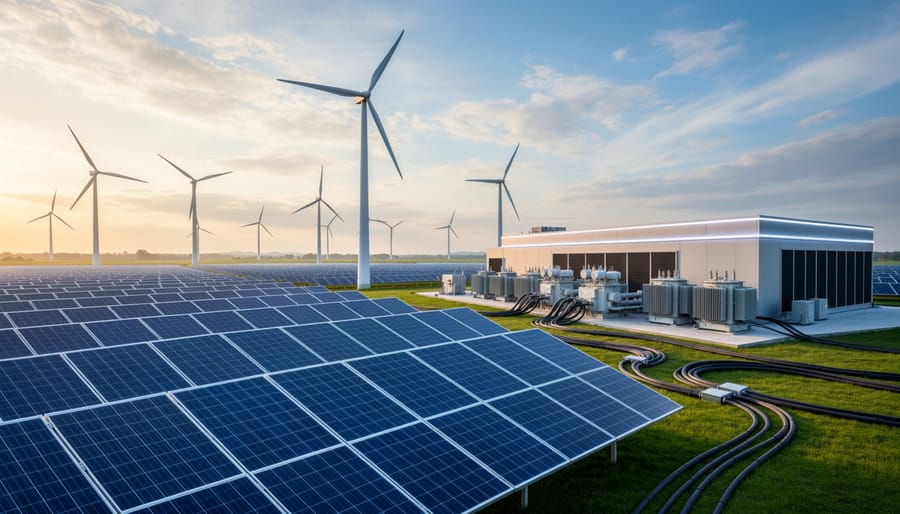
When most people hear “responsible online casino play,” they think of deposit limits, self-exclusion tools, and problem gambling prevention. While those player-protection measures remain essential, responsible gaming in 2026 now encompasses a broader environmental and corporate accountability framework that reflects society’s evolving expectations of digital industries.
The traditional definition focuses exclusively on individual behavior: helping players recognize harmful patterns, providing resources for addiction support, and ensuring transparent odds. These safeguards address critical social harms and must remain central to any gaming operator’s license to operate. However, as online casinos scale to serve millions of players through energy-intensive infrastructure, responsibility extends beyond the player-platform relationship to include how that digital entertainment gets powered.
- Player Protection Responsibility
- Traditional measures like deposit limits, reality checks, and self-exclusion tools that help individuals manage their gambling behavior and prevent harm.
- Environmental Responsibility
- Corporate commitment to minimizing the carbon footprint of gaming operations through renewable energy sourcing, efficient data center design, and transparent environmental reporting.
- Supply Chain Accountability
- Ensuring that the hardware, energy, and materials supporting gaming infrastructure come from sustainable, ethically-sourced operations including responsible mining practices.
- Community Responsibility
- Engaging with and supporting the communities, including Indigenous peoples, affected by resource extraction and energy production that enables digital operations.
This expanded definition recognizes that responsibility operates on multiple scales simultaneously. An operator can excel at preventing problem gambling yet undermine broader social good if its servers run on coal power sourced through exploitative supply chains. Conversely, renewable energy sourcing loses credibility if the platform tolerates predatory gaming mechanics.
Progressive operators now pursue dual accountability: robust player protections paired with environmental transparency. This means publishing annual sustainability reports, obtaining third-party certifications for both responsible gaming standards and renewable energy sourcing, and actively investing in cleaner infrastructure rather than simply purchasing carbon offsets as window-dressing.
For Canadian stakeholders, this holistic definition creates alignment between the country’s resource stewardship values and its emerging digital economy. When gaming operators commit to powering their platforms with Canadian renewable energy, backed by responsibly-mined materials like nickel, they participate in a virtuous cycle that respects both individual players and the broader ecosystem enabling their entertainment.
Leading Operators Making the Renewable Energy Commitment
Several online gaming operators have begun restructuring their operations around renewable energy principles, recognizing that environmental responsibility extends beyond responsible gambling tools to include the infrastructure powering their platforms. These companies are demonstrating that digital entertainment and sustainability can coexist profitably.
European operators have led this transition, with several major platforms now sourcing 100% of their data center electricity from renewable sources. Companies like Kindred Group publicly report their carbon footprint annually and have committed to carbon neutrality by purchasing renewable energy certificates (RECs) for operations they cannot yet power directly with clean energy. RECs represent verified renewable electricity generation, allowing companies to support wind, solar, and hydroelectric projects financially while working toward direct renewable energy connections.
The shift involves more than purchasing certificates. Forward-thinking operators are partnering with data center providers that construct facilities specifically near renewable energy sources. In Scandinavia, several gaming companies now operate from data centers positioned adjacent to hydroelectric plants, eliminating transmission losses and ensuring genuine renewable power rather than grid-averaged electricity.
Canadian operators and those serving Canadian markets face particular advantages given the country’s renewable energy abundance. Some platforms have relocated server infrastructure to Quebec and Manitoba, where hydroelectric power dominates the grid, substantially reducing their operational carbon footprint without requiring complex renewable energy procurement contracts.
The financial case for renewable energy has strengthened considerably. Wind and solar power costs have dropped dramatically, making renewable-powered operations economically competitive with conventional energy sources. Gaming companies investing in long-term renewable energy agreements now hedge against future carbon pricing and regulatory changes while appealing to environmentally conscious players.
Transparency remains crucial. The most credible operators publish detailed sustainability reports documenting their energy sources, carbon emissions, and reduction targets with third-party verification. They disclose what percentage of their operations run on renewable energy versus purchased offsets, allowing players and regulators to distinguish genuine commitment from greenwashing.
This industry evolution creates opportunities for Canadian resource sectors. As gaming operators seek stable renewable energy partnerships, they become potential long-term customers for provincial hydroelectric utilities and emerging wind and solar projects, linking digital entertainment revenue directly to Canada’s clean energy economy.
Canada’s Competitive Advantage: Clean Energy and Digital Infrastructure
Provincial Leaders in Green Data Hosting
Canada’s provincial energy grids create distinct advantages for sustainable data hosting. Quebec leads with over 94% hydroelectric generation, offering some of North America’s lowest carbon intensity power and competitive rates that attract data centers seeking both environmental credentials and operational efficiency. This abundance of clean energy makes the province particularly attractive for digital infrastructure requiring constant, reliable power.
Manitoba follows a similar hydroelectric model, with nearly 100% renewable generation creating ideal conditions for energy-intensive operations. British Columbia combines hydroelectric dominance with expanding wind and solar capacity, positioning itself as a hub for companies prioritizing renewable energy facts in their sustainability reporting.
These provincial grids demonstrate how Canada’s natural geography, abundant rivers, consistent wind corridors, and vast northern territories, translates into practical infrastructure advantages. Data centers powered by these sources can legitimately claim near-zero operational emissions, a distinction increasingly important to both corporate clients and environmentally conscious end-users. The concentration of renewables in Canada positions these provinces not just as energy producers, but as enabling partners in the digital economy’s transition toward sustainability.
Economic Opportunities in the Green Digital Economy
The convergence of Canada’s renewable energy sector, resource industries, and digital infrastructure creates distinct economic pathways that extend beyond traditional employment models. When mining companies partner with tech firms to supply battery-grade nickel for renewable energy storage, they generate specialized roles in materials engineering, quality assurance, and logistics coordination, positions that didn’t exist a decade ago.
Rural and remote communities hosting renewable-powered data centers gain access to stable, high-skilled employment opportunities. A single facility can require electrical technicians, network administrators, and facility managers, while also creating indirect jobs in construction, maintenance, and local services. These aren’t temporary resource extraction jobs; they’re long-term positions in the digital economy that happen to be powered by clean energy.
Indigenous communities engaged in sustainable resource partnerships are developing workforce training programs that prepare members for careers spanning mining oversight, environmental monitoring, and renewable energy system management. This tri-sector approach, resources, renewables, technology, creates economic resilience by diversifying regional economies rather than depending on single industries vulnerable to boom-bust cycles.
What Players and Stakeholders Can Do
Every stakeholder in the digital gaming ecosystem can drive meaningful change toward renewable energy adoption. The path forward requires coordinated action from players, policymakers, industry leaders, and communities invested in sustainable resource development.
Environmentally-Conscious Players: Voting with Your Wallet
Players hold significant influence through their choice of platforms. Before creating an account, investigate whether an operator publicly discloses its energy sources or has obtained third-party sustainability certifications. Look for companies that publish annual environmental reports or commit to carbon neutrality targets. Many operators now highlight their green credentials on “About Us” pages or corporate responsibility sections of their websites.
Ask direct questions through customer service channels about data center locations and renewable energy commitments. Operators notice when customers care about environmental impact. Consider platforms hosted in regions with strong renewable energy grids, particularly Canadian provinces with hydroelectric dominance. Your engagement sends a market signal that sustainability matters.
Policymakers: Creating Incentives That Work
Governments can accelerate the transition through targeted policy measures:
- Develop tax credits or reduced licensing fees for gaming operators that demonstrate verified renewable energy usage above 80% of their infrastructure needs.
- Establish mandatory environmental disclosure requirements for online gaming licenses, creating transparency that enables informed consumer choice.
- Invest in regional renewable energy infrastructure that benefits multiple digital industries, reducing barriers to green hosting.
- Support critical minerals development through streamlined permitting for sustainable mining projects that supply battery storage essential for renewable-powered data centers.
- Create procurement standards requiring government-affiliated gaming operations to transition to renewable energy within defined timelines.
These measures work best when designed collaboratively with industry, ensuring regulations drive innovation rather than create compliance burdens that disadvantage smaller operators.
Industry Professionals: Leading from Within
Those working in online gaming can champion change internally. Technology teams can advocate for data center migrations to renewable-powered facilities. Marketing departments can highlight sustainability achievements that differentiate brands. Executives can commit to science-based emissions targets and join industry coalitions focused on environmental responsibility.
Partner with renewable energy developers and battery storage providers to explore innovative power purchase agreements. Engage with Canadian mining companies practicing responsible extraction to understand how your infrastructure choices connect to resource communities. Transparency about challenges and progress builds credibility more effectively than greenwashing claims.
The convergence of renewable energy and online gaming represents more than an environmental upgrade. It’s a blueprint for how Canada’s resource sectors, technology industries, and communities can collaborate toward shared prosperity while respecting the land and water that sustain us all.
We’ve traced an interconnected system where responsibly-extracted nickel enables battery storage, which stabilizes renewable grids, which power data centers that host digital entertainment. Each link in this chain presents an opportunity to choose stewardship over extraction, transparency over opacity, and long-term thinking over short-term gains. When Indigenous communities lead mining partnerships, when provinces leverage their hydroelectric advantages, and when gaming operators commit to verifiable renewable energy sources, these individual choices compound into systemic change.
The path forward requires participation from every stakeholder. Players who prioritize sustainability send market signals that operators cannot ignore. Policymakers who create incentives for green data infrastructure accelerate the transition while generating jobs. Industry leaders who invest in renewable energy certificates and transparent reporting set competitive standards that others must follow. Resource companies that embrace genuine community partnerships demonstrate that economic development and environmental responsibility aren’t competing priorities.
Canada stands at a unique intersection. Our renewable energy capacity, mineral wealth, and commitment to reconciliation position us to lead a global shift toward sustainable digital economies. The question isn’t whether online gaming and resource extraction can coexist with environmental stewardship. It’s whether we’ll seize this moment to prove they must, creating a model where technology, prosperity, and ecological integrity advance together rather than at each other’s expense.