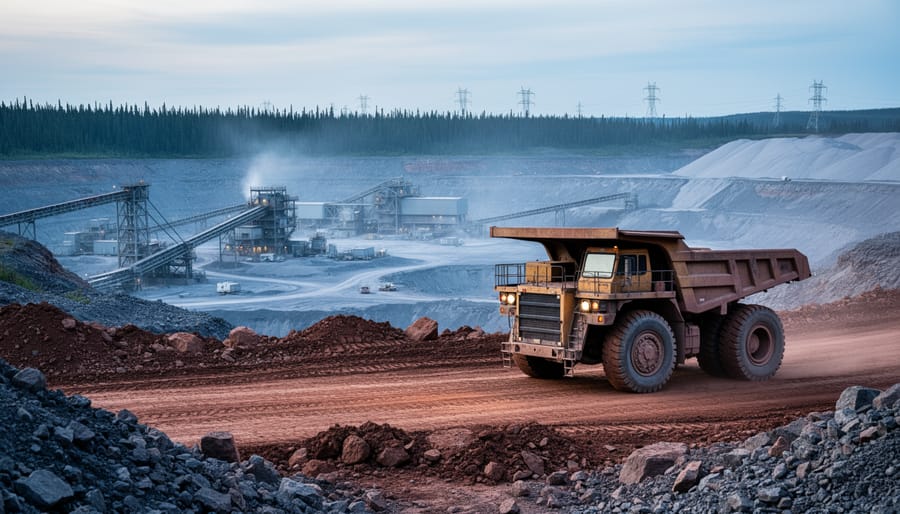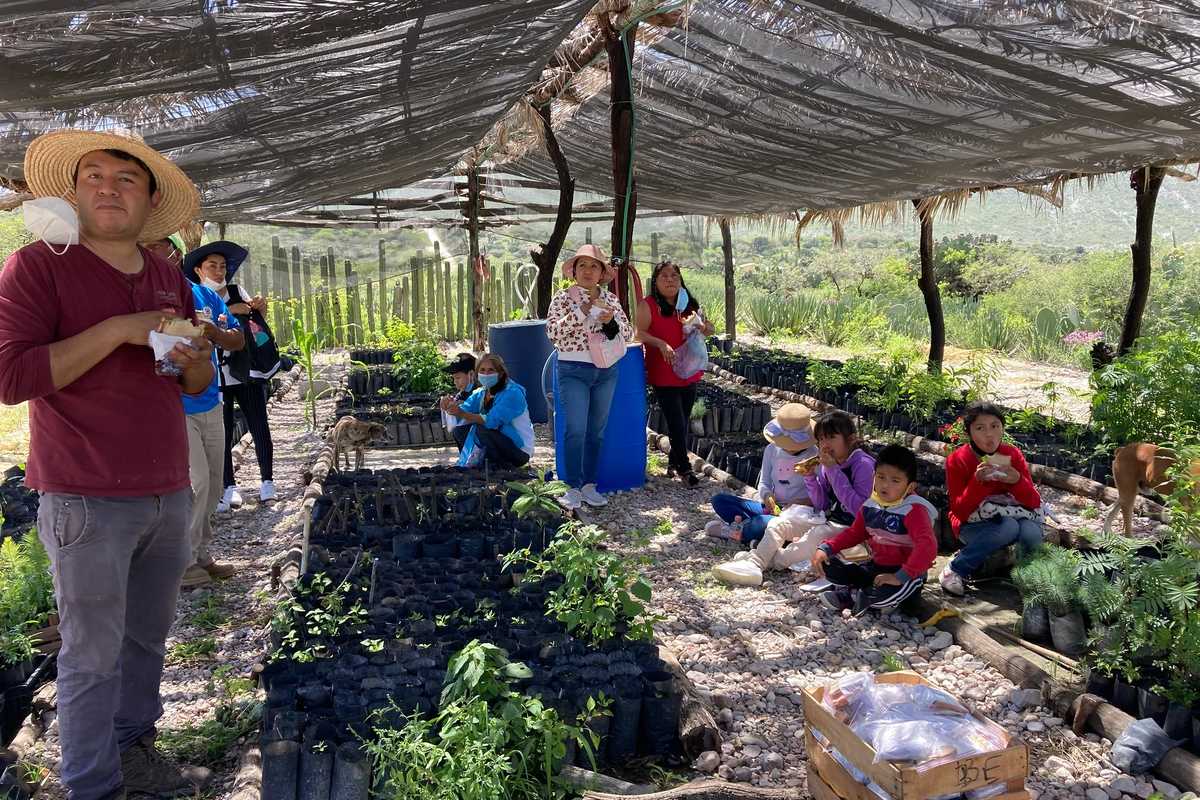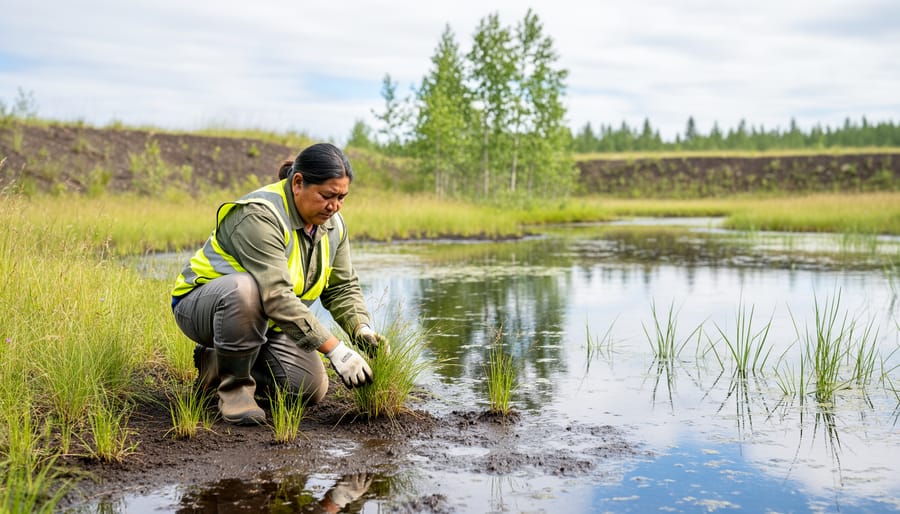
Environmental stewardship examples demonstrate how individuals, organizations, and communities actively protect and improve natural resources through deliberate conservation practices, sustainable resource management, and ecosystem restoration. These examples translate the broader principle of environmental responsibility into tangible actions, from a mining company rehabilitating disturbed land to a First Nation community implementing traditional ecological knowledge in forest management, or a municipality establishing green infrastructure to protect watersheds.
Understanding what stewardship looks like in practice matters because abstract principles alone rarely drive change. When a rural landowner in Ontario sees how a neighbor successfully restored wetland habitat, or when a resource extraction company learns from another’s successful reclamation project, those real-world illustrations become blueprints for replication and adaptation. The power of concrete examples lies in their ability to show what’s possible, what works, and how different stakeholders can contribute to environmental health within their own contexts.
This article unpacks environmental stewardship through a Canadian lens, examining how the concept functions across sectors and scales. You’ll find examples spanning Indigenous-led conservation initiatives that integrate millennia of land-based knowledge with contemporary science, corporate stewardship in the mining and battery metals industries where companies balance resource extraction with ecological responsibility, and community-driven projects that strengthen local ecosystems. Each example illustrates not just what was done, but how stewardship principles guided decision-making, resource allocation, and collaboration among diverse stakeholders.
The examples ahead reflect Canada’s unique position as both a resource-rich nation and home to some of the world’s most forward-thinking environmental initiatives. They offer practical insight for professionals navigating sustainability requirements, communities seeking to strengthen their environmental programs, and anyone working to understand how stewardship moves from concept to action.
What Environmental Stewardship Means in Practice
Environmental stewardship goes beyond simply following environmental rules. It’s the active commitment to protecting and enhancing natural resources while using them, accepting responsibility for the long-term health of ecosystems, communities, and the land itself. In natural resource sectors like mining, forestry, and energy, stewardship means making decisions today that ensure future generations can benefit from healthy environments and functioning ecosystems.
At its core, stewardship operates on several interconnected principles. The first is minimizing environmental harm at every stage of resource development. This isn’t about eliminating all impact, which would mean stopping resource extraction entirely, but about thoughtfully reducing footprints through better planning, cleaner technologies, and smarter operational choices. A mining company practicing stewardship doesn’t just meet effluent standards; it designs water management systems that protect downstream aquatic life and drinking water sources.
Restoration represents another fundamental principle. Stewardship acknowledges that resource activities disturb landscapes and ecosystems, so it includes active efforts to repair and regenerate what’s been affected. This might mean replanting native vegetation on reclaimed mine sites, rebuilding fish habitat in affected streams, or restoring wetlands that buffer against flooding. The goal isn’t always to return land to its exact original state, but to create functioning ecosystems that provide ecological services and support biodiversity.
Community engagement forms the third pillar. Stewardship recognizes that local communities, especially Indigenous peoples with deep territorial connections, hold critical knowledge and legitimate interests in how resources are managed. This principle moves beyond token consultation toward genuine partnership, where affected communities help shape decisions and share in monitoring responsibilities.
What distinguishes stewardship from compliance? Compliance means meeting the legal minimum, the baseline standards set by regulators. Stewardship means voluntarily going further, driven by an ethic of care rather than fear of penalties. A company in compliance mode asks, “What do we have to do?” A steward asks, “What should we do?” This difference shows up in actions: adopting stricter internal standards than regulations require, investing in innovation that reduces impacts, transparently sharing monitoring data, and maintaining environmental commitments even when no one is watching.
How Environmental Stewardship Works in Natural Resources
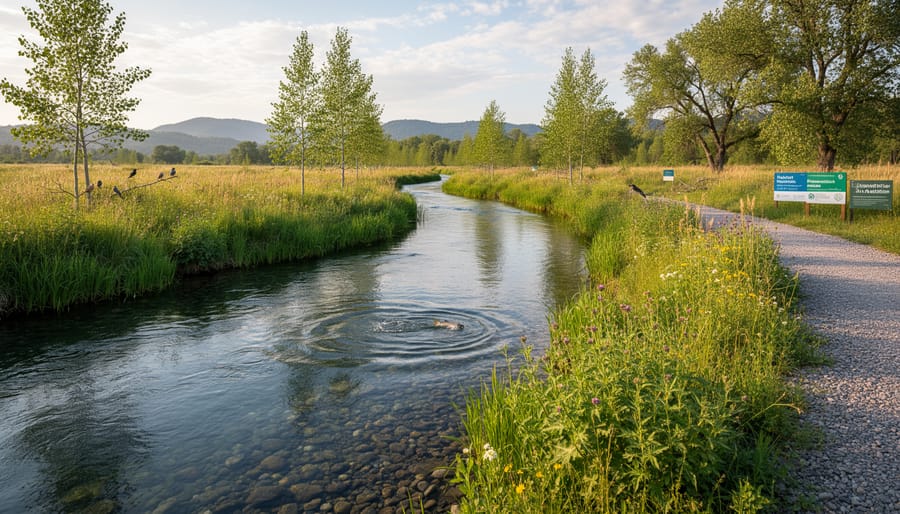
Environmental stewardship doesn’t just happen, it requires intentional systems and processes that embed responsible practices into every stage of resource development. In mining, energy, and forestry operations, stewardship works through interconnected approaches that transform principles into measurable action.
At its foundation, stewardship operates through integrated planning that considers environmental impacts from the earliest exploration stages through to closure and beyond. Mining companies now develop closure plans before extracting the first ton of ore, while forestry operations map out regeneration strategies alongside harvest schedules. This lifecycle thinking prevents the “deal with it later” mentality that created so many legacy environmental problems in Canada’s resource sectors.
Adaptive management forms the operational backbone of modern stewardship. Rather than following rigid plans regardless of outcomes, resource operators continuously monitor results, assess effectiveness, and adjust their approaches based on what the data reveals. A nickel mine might modify water treatment processes when monitoring shows unexpected trace elements, or a forestry company might alter harvest patterns after wildlife cameras reveal important migration corridors.
Several key mechanisms work together to make stewardship operational:
- Environmental baseline studies that establish pre-development conditions for comparison
- Real-time monitoring systems tracking air quality, water chemistry, and wildlife movement
- Regular third-party audits and public reporting that create accountability
- Multi-stakeholder advisory committees bringing together industry, government, communities, and scientists
- Traditional ecological knowledge protocols that respect Indigenous expertise about local ecosystems
- Financial assurance mechanisms ensuring cleanup funds exist regardless of corporate fortunes
Stakeholder collaboration transforms stewardship from a corporate checkbox into genuine shared responsibility. In practice, this means forestry companies consulting trappers about harvest timing, mining operations co-designing monitoring programs with downstream communities, and energy projects incorporating Indigenous land guardians into environmental surveillance teams.
Traditional ecological knowledge integration represents perhaps the most significant evolution in Canadian resource stewardship. Mining companies now regularly engage Knowledge Keepers to identify culturally significant areas, understand seasonal patterns affecting wildlife, and recognize environmental changes that Western science might miss. A Cree elder’s observations about changing fish behaviour can prompt water quality investigations that instruments alone wouldn’t trigger.
These mechanisms don’t work in isolation. The forestry company that monitors caribou populations shares data with nearby mining operations. Regional watershed committees coordinate cumulative effects management across multiple industries. This interconnected approach acknowledges that ecosystems don’t respect property boundaries or corporate divisions, and effective stewardship requires the same integrated perspective.
Core Components of Resource Stewardship Programs
Land and Water Protection
Land and water protection forms the foundation of environmental stewardship in resource operations. These efforts focus on minimizing disturbance to natural systems and ensuring ecological resilience throughout a project’s lifecycle.
Habitat preservation starts before the first shovelful of earth is moved. Companies identify critical wildlife corridors, nesting sites, and sensitive ecosystems during baseline studies, then design operations to avoid or minimize impacts. This might mean adjusting road alignments to protect wetlands or scheduling blasting activities around bird nesting seasons.
Watershed management takes a systems approach to protecting water quality and quantity. Resource operations implement sediment control measures, treat runoff before it enters streams, and monitor groundwater levels to prevent drawdown that could affect downstream users. Progressive companies establish buffer zones around water bodies and maintain vegetated areas that filter runoff naturally.
Reclamation planning no longer waits until closure. Modern stewardship practices include concurrent reclamation, reshaping and revegetating disturbed areas while operations continue elsewhere on site. This approach reduces the final reclamation burden and demonstrates environmental commitment to communities.
Biodiversity conservation extends beyond individual sites. Some operations create habitat offsets, protecting or restoring ecosystems elsewhere to compensate for unavoidable impacts. Others participate in species-at-risk recovery programs, contributing research and resources to protect vulnerable populations across broader landscapes.
Emissions and Waste Management
Effective emissions and waste management transforms resource operations from pollution sources into environmental partners. Real-time air quality monitoring stations track particulate matter, sulfur dioxide, and nitrogen oxides around mine sites and processing facilities, providing transparency to nearby communities and triggering immediate response protocols when readings approach thresholds.
Greenhouse gas reduction strategies include electrifying haul fleets, powering operations with renewable energy powerhouses and implementing carbon capture at processing plants. Some nickel operations have cut emissions intensity by 40% through these combined measures.
Tailings management has evolved beyond simple containment. Modern approaches include dry stacking to reduce water use and seepage risk, co-disposal with waste rock to prevent acid generation, and filtering systems that allow continuous water recycling. Progressive operators now view tailings as potential future resources rather than permanent liabilities.
Circular economy practices close the loop: scrap metal returns to smelters, construction waste becomes aggregate, and organic materials support reclamation efforts. Waste rock once stockpiled indefinitely now undergoes acid-base accounting to separate benign material for road construction from potentially reactive rock requiring specialized handling. These strategies cut landfill volumes while turning former waste streams into operational assets.
Community Engagement and Indigenous Partnerships
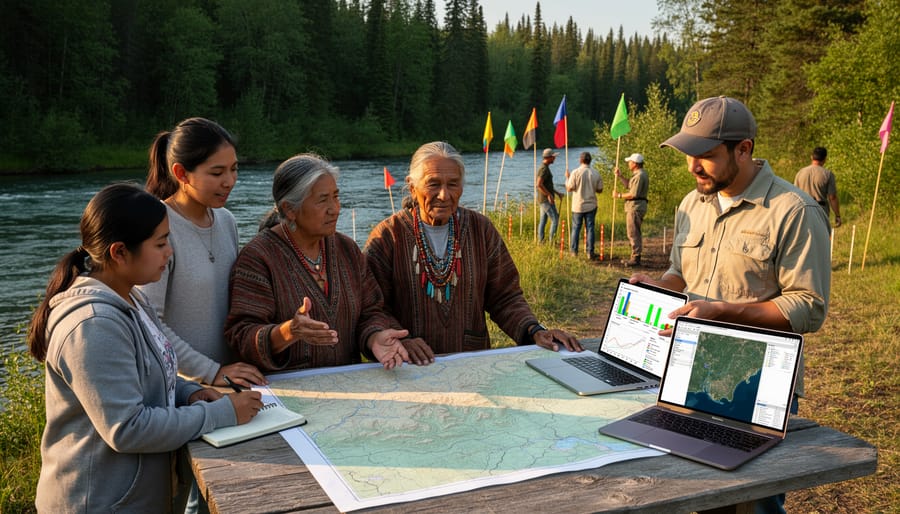
Genuine community engagement and Indigenous partnerships transform stewardship from a corporate checklist into collaborative resource management. Free, prior, and informed consent, the principle that Indigenous communities hold decision-making authority over developments affecting their territories, has become the foundation of responsible project planning. This means companies share information early, provide time for thorough review, and respect community decisions, whether those decisions are yes, no, or conditional approval.
Impact-benefit agreements formalize how projects create value for mining communities: employment and training commitments, revenue sharing, infrastructure improvements, and environmental protection measures negotiated directly between operators and affected communities. These agreements increasingly include environmental monitoring roles, giving communities oversight capacity and economic participation beyond royalties.
Co-management arrangements take partnership further by establishing joint decision-making structures. Indigenous guardians work alongside company environmental staff, combining scientific monitoring with traditional ecological knowledge, observations about seasonal patterns, species behaviour, and ecosystem health passed down through generations. This dual-knowledge approach catches problems conventional monitoring might miss and ensures restoration efforts align with cultural values.
The most effective partnerships recognize that Indigenous communities aren’t stakeholders to be consulted; they’re rights-holders with jurisdiction, knowledge systems, and long-term connections to territories that outlast any single project. Stewardship succeeds when these relationships are built on respect, reciprocity, and shared authority.
Innovation and Technology Adoption
Modern technology has become a cornerstone of environmental stewardship in natural resources, enabling companies to reduce their footprint while maintaining productivity. The shift from reactive to proactive environmental management relies heavily on innovation.
Remote sensing and drone technology now allow continuous monitoring of vegetation health, water quality, and wildlife movement patterns around resource sites. Real-time data streams feed into predictive models that flag potential issues before they escalate, catching erosion, detecting water chemistry changes, or identifying equipment failures that could cause spills.
Renewable energy integration at mine sites and remote operations cuts both emissions and costs. Solar arrays, wind installations, and battery storage systems increasingly replace diesel generators at exploration camps and processing facilities. Some operations now run entirely on renewable power during certain seasons.
Process innovations deliver measurable gains. Advanced ore sorting reduces waste rock volumes. Water recycling systems cut freshwater withdrawal by up to eighty percent at some facilities. Electric vehicle fleets eliminate underground diesel emissions while improving air quality for workers.
Artificial intelligence optimizes haul routes, processing parameters, and energy consumption patterns in real time. Machine learning identifies subtle equipment degradation that precedes failures, preventing environmental incidents through predictive maintenance.
These technologies aren’t just about compliance, they fundamentally change how resource operations interact with surrounding ecosystems, making stewardship measurable, verifiable, and continuously improving.
Environmental Stewardship Examples Across Canadian Resource Sectors
Mining Sector Examples
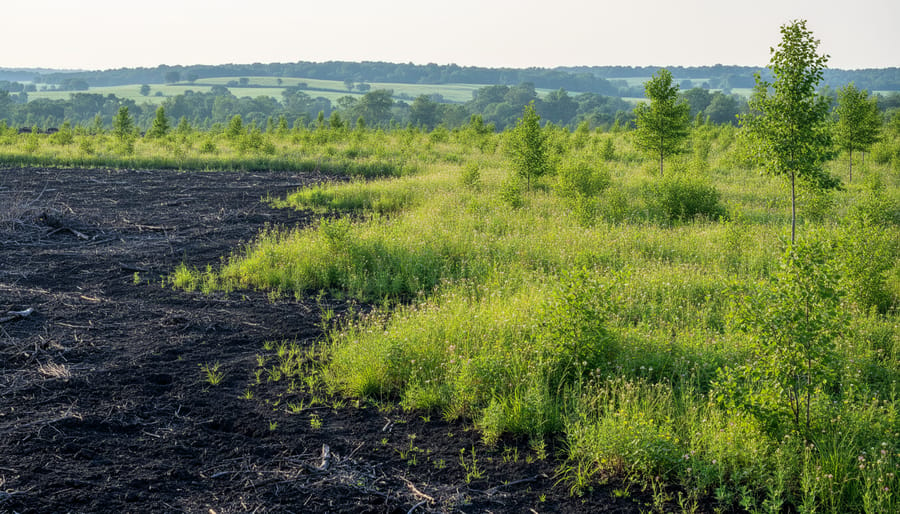
Canada’s mining sector demonstrates environmental stewardship through practices that go well beyond regulatory minimums, particularly in how operations address their environmental footprint while active rather than waiting until closure.
Progressive reclamation has become standard at leading operations, where companies rehabilitate disturbed areas concurrently with ongoing extraction. At Vale’s operations in Sudbury, Ontario, sections of previously mined land receive topsoil, native vegetation, and erosion controls while other areas remain in production. This approach reduces the total disturbed footprint and accelerates ecosystem recovery, trees planted decades ago now support returning wildlife populations.
Acid rock drainage prevention showcases the sector’s technical sophistication. Modern mines identify potentially acid-generating rock during exploration, then segregate and encapsulate this material in specially designed facilities with low-permeability covers. Glencore’s Raglan mine in northern Quebec uses this approach to prevent sulphide minerals from oxidizing and creating acidic runoff that would contaminate surrounding tundra watersheds.
Tailings reprocessing represents both environmental and economic stewardship. Operators extract residual metals from historical tailings while simultaneously reducing the volume of material requiring long-term management. Several Ontario operations have reprocessed tailings to recover nickel and copper that earlier technologies couldn’t economically extract, shrinking legacy storage requirements in the process.
Wildlife corridor preservation integrates conservation planning into mine layouts. Operations in British Columbia and northern Ontario work with biologists to maintain functional movement corridors for caribou, moose, and other species, ensuring mining footprints don’t fragment critical habitat.
Community-led environmental monitoring programs exemplify collaborative stewardship. First Nations communities near Ring of Fire projects in northwestern Ontario participate directly in water quality testing and wildlife observations, bringing traditional ecological knowledge and independent oversight to environmental protection efforts.
Energy Industry Examples

Canada’s energy sector demonstrates stewardship through concrete actions that reduce environmental impact while maintaining reliable supply. These examples show how operators balance production demands with ecosystem protection.
Renewable Energy Integration at Remote Sites
Mining and oil and gas operations increasingly power remote facilities with solar arrays and wind turbines rather than diesel generators. Fort Hills oil sands project in Alberta uses cogeneration units that capture waste heat, reducing natural gas consumption by 25 percent. This approach cuts emissions while lowering operating costs, a practical win that other remote operations are replicating.
Methane Capture and Reduction Programs
Natural gas producers tackle fugitive methane emissions through leak detection and repair programs. Operators deploy infrared cameras and continuous monitoring systems to find and fix leaks at wellheads, compressor stations, and processing facilities. Some companies now capture vented gas that was previously released during maintenance, routing it back into pipelines or using it on-site for power generation. These programs have cut methane emissions by over 40 percent at leading operations since 2015.
Habitat Offset and Restoration Work
Energy infrastructure inevitably disturbs land, but stewardship means compensating for that footprint. Pipeline operators create wetland complexes and native grassland restoration areas that exceed the acreage they disturb. BC Hydro’s fish habitat compensation program builds spawning channels and rearing ponds near transmission corridors, producing net gains in fish populations over time.
Decommissioning and Site Restoration
End-of-life planning now starts at project inception. Alberta’s oil and gas sector faces legacy well cleanup, but newer operations fund decommissioning from day one and restore sites to equivalent land capability, whether that means returning to agriculture, forest, or wildlife habitat based on original conditions and landowner goals.
Indigenous-Led Stewardship Initiatives
Indigenous communities across Canada are increasingly taking leadership roles in environmental stewardship, bringing generations of ecological knowledge and deep territorial connections to resource management. These initiatives often achieve conservation outcomes that government-only or industry-only approaches cannot match.
Guardian programs represent one of the most visible forms of Indigenous stewardship. Indigenous Guardians monitor environmental conditions, document changes to ecosystems, and ensure resource activities align with community values. In territories with mining or energy projects, Guardians conduct water quality sampling, track wildlife movements, and identify areas requiring special protection. Their continuous presence on the land provides early detection of environmental issues and creates accountability that formal regulatory visits cannot replicate.
Co-management arrangements formalize Indigenous authority over traditional territories. These agreements recognize that communities hold irreplaceable knowledge about seasonal patterns, species behavior, and ecosystem interconnections spanning centuries. In practice, co-management means Indigenous representatives have decision-making power over project approvals, monitoring protocols, and restoration priorities rather than simply being consulted.
Indigenous Protected and Conserved Areas (IPCAs) establish conservation zones under Indigenous governance, sometimes adjacent to or overlapping with resource tenures. These areas protect critical habitats, cultural sites, and ecological functions while demonstrating how traditional practices maintain biodiversity. Several IPCAs have been established near mining regions, creating buffers and reference sites for measuring industrial impacts.
Traditional ecological knowledge integration transforms environmental assessments from snapshot exercises into holistic evaluations. Elders and knowledge keepers contribute multi-generational observations about fish populations, vegetation health, and climate patterns that scientific monitoring often misses. This knowledge shapes baseline studies, identifies sensitive areas, and improves long-term monitoring programs at resource operations across the country.
Cross-Sector Collaboration Models
Environmental stewardship becomes most powerful when it crosses traditional sector boundaries. In Canada’s resource regions, challenges rarely respect the lines we draw between mining, forestry, and energy, a watershed doesn’t care which industry operates upstream, and wildlife corridors connect territories managed by multiple companies and governments.
Multi-stakeholder watershed councils bring together mine operators, forestry companies, energy producers, municipalities, Indigenous nations, and conservation groups to manage shared water resources. British Columbia’s Mining Association has partnered with environmental organizations and First Nations in several regions to establish baseline water quality monitoring that all parties trust, creating a common dataset that informs decisions across sectors.
Regional cumulative effects management represents another collaboration model gaining traction. Rather than assessing each project in isolation, these frameworks examine how multiple operations, across industries, collectively affect caribou habitat, water quality, or community well-being. Alberta’s Lower Athabasca Regional Plan demonstrates this approach, though implementation challenges persist.
Certification programs like the Initiative for Responsible Mining Assurance or Forest Stewardship Council create shared standards that push entire sectors toward better practices, rewarding companies that meet rigorous environmental and social benchmarks while creating market incentives for continuous improvement.
How These Examples Apply to Nickel and Battery Metals
Nickel’s role in electric vehicle batteries and energy storage systems makes it a linchpin of the clean energy transition, which heightens both the scrutiny and the responsibility around how it’s extracted and processed. The stewardship examples discussed throughout this article take on particular urgency in battery metals production, where market demand is accelerating rapidly but environmental and social expectations remain uncompromising.
Nickel mining in Canada demonstrates many of the practices outlined earlier, progressive reclamation, acid rock drainage prevention, and Indigenous partnership models, but the battery metals context adds specific dimensions. Exploration activities now routinely include baseline biodiversity assessments and early community engagement, recognizing that greenfield projects face heightened expectations around free, prior, and informed consent. During operation, nickel producers are adopting real-time water quality monitoring, investing in renewable energy to power processing facilities, and designing tailings management with long-term climate resilience in mind, knowing these sites will need to perform safely for centuries.
Processing innovations offer stewardship opportunities beyond the mine site. Companies are exploring hydrometallurgical methods that reduce energy consumption and emissions compared to traditional smelting, and some are piloting closed-loop water systems that minimize freshwater withdrawal. End-of-life considerations are gaining traction too: battery recycling programs aim to recover nickel and other metals for reuse, reducing the need for virgin extraction and closing the material loop.
Canada’s position as a major nickel producer gives it leverage to set high standards. When stewardship is embedded across the supply chain, from exploration to recycling, it addresses a fundamental tension: non-renewable resources are essential for renewable energy infrastructure, and how we extract them determines whether the transition is truly sustainable. Transparent reporting, third-party certification, and collaboration with Indigenous communities position Canadian nickel as a responsible choice in global battery supply chains, where buyers increasingly demand proof of environmental and social performance alongside product quality.
Common Questions About Environmental Stewardship in Resources
Environmental stewardship raises practical questions for anyone working in or affected by resource development. The following addresses the most common concerns about how these programs function in practice.
Who is responsible for environmental stewardship at resource operations?
Responsibility is shared among project proponents (companies), regulatory agencies, Indigenous governments with treaty or inherent rights, and local communities. Effective programs involve all parties in decision-making and monitoring, rather than leaving stewardship to operators alone.
How is stewardship effectiveness actually measured?
Performance is tracked through ecological indicators (water quality, species populations, habitat extent), compliance metrics, third-party audits, and community feedback mechanisms. The best programs combine scientific monitoring with traditional knowledge assessments and make results publicly accessible.
Does environmental stewardship cost more than minimum compliance?
Upfront investments are typically higher, but lifecycle costs often decrease through efficiency gains, reduced remediation needs, and fewer operational conflicts. Companies also report benefits including regulatory certainty, improved community relations, and enhanced access to capital from ESG-focused investors.
How can communities participate in stewardship programs?
Options include joining advisory committees, participating in monitoring programs, contributing traditional knowledge to assessments, negotiating impact-benefit agreements, and accessing funding for independent environmental reviews. Many successful programs compensate community members for their time and expertise.
The distinction between stewardship and regulation matters greatly in practice. Regulatory compliance sets minimum standards enforced by law, establishing the baseline for what operators must do. Stewardship goes beyond those minimums through voluntary commitments, innovation, and proactive ecosystem care. Strong stewardship doesn’t replace regulation, it builds on that foundation to achieve higher environmental and social outcomes than the law requires.
Accountability presents another frequent concern. Meaningful stewardship includes transparent reporting mechanisms, third-party verification, and consequences for failing to meet commitments. This might involve contractual obligations in impact-benefit agreements, requirements tied to project financing, or conditions in social license arrangements with communities. The most credible programs welcome external scrutiny and publish regular progress updates that acknowledge both successes and shortcomings.
For professionals evaluating stewardship programs, look for evidence of genuine commitment rather than superficial claims. Real stewardship shows up in capital allocation, staffing decisions, executive compensation tied to environmental performance, and willingness to adjust operations based on monitoring results. Community and Indigenous involvement should be substantive, not tokenistic, with clear processes for incorporating feedback into actual decision-making.
The gap between understanding environmental stewardship and practicing it defines the difference between good intentions and meaningful impact. Canada’s natural resource sectors now have decades of evidence showing what works: the most effective stewardship initiatives share transparency in their reporting, genuine engagement with affected communities, respectful partnerships with Indigenous peoples, and commitment that extends beyond single project lifecycles.
These aren’t abstract ideals. They’re operational requirements that successful mining, energy, and forestry companies have built into their planning, budgets, and corporate culture. The examples across these sectors demonstrate that environmental responsibility and resource development can coexist when stewardship becomes a core business value rather than an afterthought.
Canada stands at a pivotal moment. Global demand for battery metals, renewable energy infrastructure, and sustainable building materials creates unprecedented opportunity. The country possesses both the resources and the growing expertise to meet this demand responsibly. Indigenous communities hold knowledge systems refined over millennia. Industry has developed technologies that dramatically reduce environmental footprints. Governments have strengthened regulatory frameworks. Collaborative models exist that balance economic benefits with ecosystem health.
What’s needed now is scaling proven approaches and maintaining accountability when pressures mount to cut corners. The stewardship examples that succeed share honest reporting about both achievements and failures, mechanisms for community voices to shape decisions, and willingness to invest in long-term ecological health even when short-term costs rise.
The path forward requires learning from what’s worked, adapting to local contexts, and recognizing that stewardship isn’t a fixed destination but an ongoing process. Every watershed protected, every habitat restored, every partnership strengthened builds toward a resource sector that future generations can inherit with confidence rather than regret. That future depends on choosing action over rhetoric, collaboration over confrontation, and sustained commitment over convenient compromise.