The United States produces virtually no nickel domestically yet requires substantial volumes for electric vehicle batteries, stainless steel production, and defense applications. This gap has made Canada the primary supplier, currently providing over 40% of US nickel imports and positioning the two nations in a deeply integrated supply relationship that will only intensify as clean energy manufacturing scales across North America.
Understanding this dependency requires looking beyond simple trade statistics. The US closed its last primary nickel mine in 2017, leaving the country reliant on foreign sources at precisely the moment when battery-grade nickel demand is surging. Canada has emerged not just as a convenient neighbor but as a strategic partner whose geology, regulatory framework, and commitment to responsible development align with American industrial and environmental priorities.
The dynamics are shifting rapidly. Projects like Canada Nickel Company’s Crawford development, a $5 billion nickel-cobalt mine located 42 kilometers north of Timmins, Ontario, recently received federal environmental approval as the first project cleared under Canada’s amended Impact Assessment Act. With a projected 41-year production life, 6,300 jobs during construction and operation, and an estimated $70 billion contribution to Canada’s GDP, Crawford represents the scale of investment now flowing toward securing North American nickel supply chains.
This relationship raises important questions about sovereignty, sustainability, and Indigenous partnership in resource development. How Canadian operations balance extraction with environmental stewardship and meaningful collaboration with First Nations communities will shape whether this supply arrangement supports or undermines the broader goals driving electrification.
The Current State of US Nickel Mining
The United States produces very little nickel domestically, operating only one primary nickel mine alongside a handful of recycling and secondary recovery facilities. This limited production capacity meets less than five percent of national demand, forcing the country to import approximately 95 percent of the nickel it consumes. Canada supplies roughly half of these imports, followed by Norway, Australia, and various other international sources that present longer supply chains and greater geopolitical complexity.
This heavy reliance on foreign supply stems from decades of declining domestic production. Several factors contributed to the contraction of American nickel mining: rising operational costs, stricter environmental regulations that increased compliance expenses, competition from lower-cost international producers, and the exhaustion of easily accessible ore bodies. The last major US nickel mine in Michigan ceased primary production in the late 1990s, and no significant new projects have advanced since then despite periodic exploration efforts.
The strategic implications of this import dependence have intensified with the electric vehicle revolution. Nickel forms a critical component of lithium-ion batteries, particularly the high-energy-density chemistries favoured by automakers pursuing longer driving ranges. A single EV battery can contain 30 to 50 kilograms of nickel, meaning the transition to electric transportation multiplies demand exponentially beyond traditional uses in stainless steel and industrial applications.
American battery manufacturers and automakers now face a supply challenge: securing sufficient nickel to meet ambitious EV production targets while reducing exposure to distant suppliers and volatile international markets. This vulnerability explains Washington’s growing interest in strengthening continental supply relationships, particularly with Canada, where environmental standards align with US expectations and transportation infrastructure already connects mining regions to American manufacturing hubs. The question isn’t whether the US will continue depending on imports, it will, but rather which trading partners can provide reliable, responsibly sourced nickel for the clean energy transition.
Why Canada Has Become America’s Nickel Partner
Geographic Advantage and Infrastructure
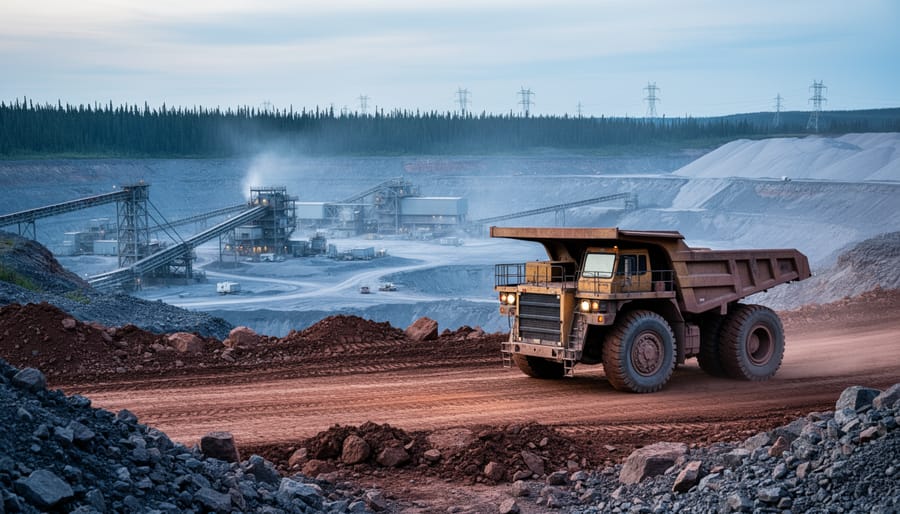
Canada and the United States share one of the world’s most interconnected mining and manufacturing corridors, a natural advantage that makes Canadian nickel a practical choice for American industry. Nickel mining in Canada benefits from established rail networks, highway systems, and Great Lakes shipping routes that move raw materials and refined products across the border with minimal logistical friction. Major Canadian deposits in Ontario and Quebec sit within a day’s transport of processing facilities and manufacturing hubs in both countries.
This integrated infrastructure extends beyond roads and rails. Smelting and refining capacity on both sides of the border allows Canadian ore to flow seamlessly into North American supply chains, avoiding the delays and complexities of overseas shipping. Processing partnerships between Canadian miners and US manufacturers have evolved over decades, creating reliable relationships that matter when automakers and battery producers need consistent, timely deliveries.
The proximity advantage becomes even clearer when you consider alternative suppliers. Shipping nickel from Indonesia or the Philippines adds weeks of transit time and significant carbon emissions. In contrast, a mine north of Timmins can deliver material to Michigan or Ohio in hours, supporting just-in-time manufacturing while reducing transportation costs and environmental impact.
Shared Environmental and Labor Standards
When US manufacturers evaluate nickel suppliers, regulatory alignment matters as much as price. Canadian mining operations must meet environmental standards that mirror American expectations, comprehensive impact assessments, water quality monitoring, mine closure planning, and public consultation requirements. This regulatory similarity means US companies sourcing from Canada face fewer supply chain risks than when importing from jurisdictions where environmental oversight is minimal or enforcement inconsistent.
Labour standards strengthen this alignment further. Canadian mines operate under workplace safety regulations comparable to US mining law, with unionized workforces, injury prevention protocols, and transparent reporting requirements. For US battery manufacturers and automakers facing scrutiny over supply chain ethics, Canadian nickel offers documented compliance rather than opaque sourcing questions.
The Crawford Nickel Project exemplifies this regulatory rigor, approved as the first mine under Canada’s amended Impact Assessment Act, it underwent federal environmental review that addressed Indigenous consultation, carbon impact, and long-term ecosystem management. This level of oversight creates supply predictability: US buyers know Canadian projects won’t face sudden shutdowns due to environmental violations or community opposition that characterize less-regulated mining regions. In practical terms, shared standards translate to stable, defensible supply chains that support North American clean energy goals without compromising on worker safety or environmental protection.
Major Canadian Nickel Projects Serving North American Demand
The Crawford Nickel Project: A Continental Game-Changer
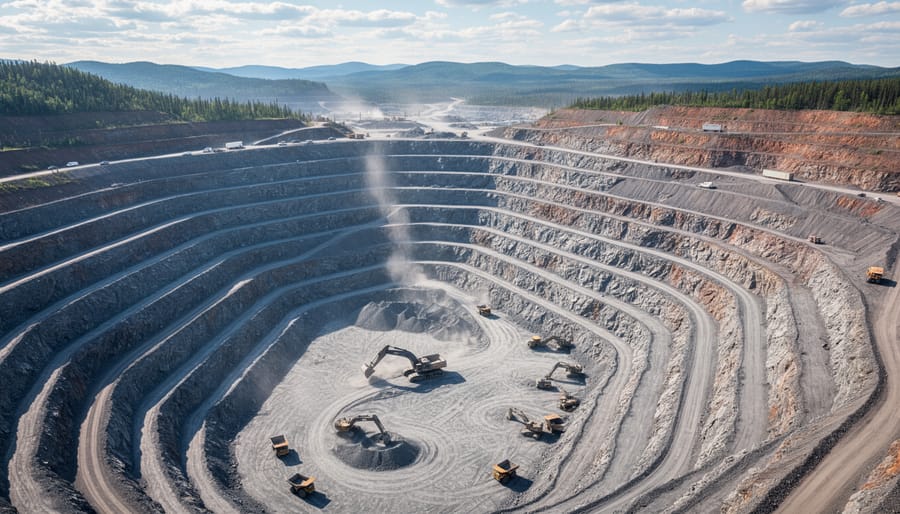
North of Timmins, Ontario, Canada Nickel Company’s Crawford project represents the largest single nickel development poised to reshape North American supply dynamics. This $5 billion nickel-cobalt operation secured federal environmental approval in a landmark decision as the first mining project cleared under Canada’s amended Impact Assessment Act, signaling both regulatory renewal and national commitment to critical mineral production.
The numbers tell a story of continental significance. Over a 41-year production life, Crawford is forecast to contribute $70 billion to Canada’s GDP while creating 5,000 construction jobs and 1,300 permanent operational positions in a region with deep mining heritage. Located just 42 kilometers north of Timmins, the project sits within established mining infrastructure yet introduces next-generation environmental standards that set new benchmarks for how large-scale nickel development can proceed responsibly.
For US supply security, Crawford’s scale changes the equation. When a single Canadian project can deliver four decades of consistent production just across the border, it offers American battery manufacturers and electric vehicle producers something increasingly rare: predictable, proximity-based sourcing that doesn’t require transoceanic shipping or geopolitical calculation. The project’s approval under strengthened environmental legislation also matters to US companies facing their own supply chain scrutiny, as responsibly sourced materials become purchasing criteria rather than marketing afterthought.
Crawford demonstrates what integrated North American nickel supply can look like when regulatory certainty, economic scale, and environmental accountability align. It’s the kind of anchor project that pulls investment, expertise, and supporting infrastructure into a region while creating employment beyond the mine gate. For a continent trying to build battery capacity and reduce overseas mineral dependence simultaneously, one well-sited, properly approved nickel operation can do more than a dozen smaller ventures scattered across jurisdictions.
Indigenous Partnerships in Canadian Nickel Development
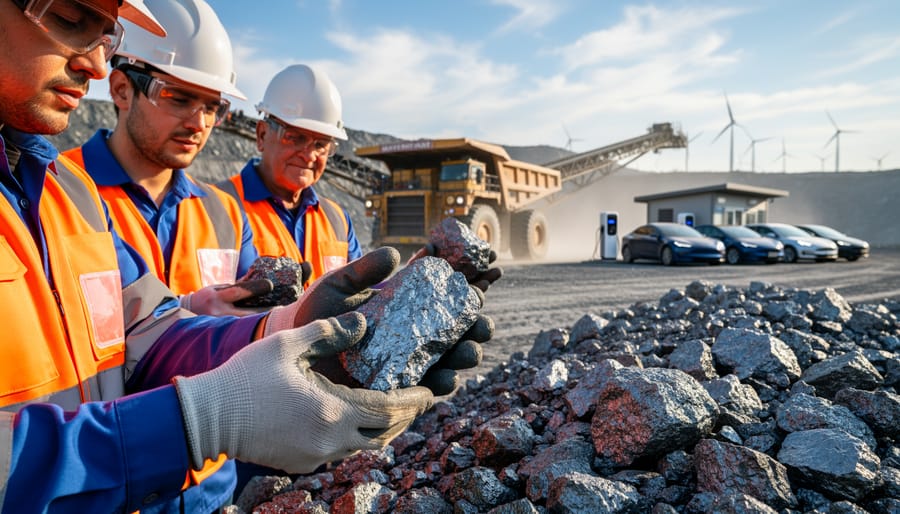
Canadian nickel projects are transforming how natural resources can be developed in genuine partnership with Indigenous peoples. Rather than viewing consultation as a regulatory checkbox, leading developers now build projects around meaningful collaboration, shared decision-making, and equitable distribution of economic benefits. This shift reflects both legal requirements under Canadian law and a growing recognition that sustainable resource development depends on respecting the rights and knowledge of the communities whose traditional territories host these mines.
The Crawford Nickel Project demonstrates this evolving approach. Located in northern Ontario where multiple Indigenous nations hold traditional rights and interests, the project’s federal environmental approval process included extensive engagement with affected communities. These conversations shape not just how the mine will operate, but who will participate in its workforce and how economic opportunities flow to local Indigenous businesses and contractors.
Modern agreements go far beyond historical royalty payments. Today’s partnerships often include equity stakes for Indigenous communities, guaranteed employment and training pathways, preferential contracting for Indigenous-owned service companies, and joint environmental monitoring programs that blend traditional ecological knowledge with scientific methods. Mining communities increasingly expect developers to demonstrate long-term commitment to local prosperity, not just extraction.
For US manufacturers seeking responsibly sourced nickel, these Indigenous partnership models create more defensible supply chains. Companies facing pressure from investors and consumers to verify the social sustainability of their raw materials find that Canadian nickel backed by genuine Indigenous consent and participation meets higher standards than many global alternatives. The 1,300 operational jobs at Crawford, for instance, represent opportunities designed to benefit the region’s Indigenous workforce for decades.
This collaborative framework also reduces project risk. Mines built with community support face fewer disruptions, lower regulatory uncertainty, and stronger social license. The result is more reliable supply for North American industries while advancing reconciliation and economic self-determination for Indigenous peoples.
Environmental Considerations in Cross-Border Nickel Supply
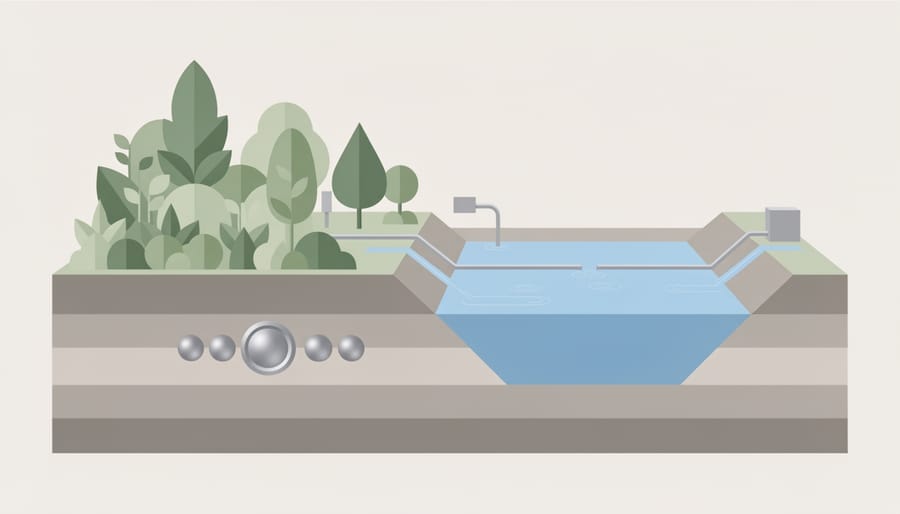
When US manufacturers evaluate nickel sources for electric vehicle batteries and clean energy applications, the environmental profile of supply chains matters as much as price and availability. Canadian nickel offers a tangibly lower environmental impact than alternatives from Indonesia, the Philippines, or Russia, the world’s other major producing regions.
Transportation emissions present the most immediate advantage. Nickel moving from Ontario to Michigan battery plants travels hundreds of kilometers by rail or truck, versus ore concentrates shipped thousands of nautical miles from Southeast Asia. The carbon footprint difference compounds when you consider that Canadian nickel often feeds directly into North American processing facilities rather than requiring energy-intensive overseas refining.
Canada’s mining reclamation standards require companies to post financial security for site restoration before breaking ground. Progressive rehabilitation, restoring mined areas while operations continue elsewhere on site, has become standard practice. Water discharged from Canadian operations must meet strict quality thresholds, with real-time monitoring and public reporting. These aren’t voluntary commitments; they’re enforceable regulatory requirements backed by substantial penalties.
The Crawford project’s approval under Canada’s amended Impact Assessment Act demonstrates this framework in action. Federal review examined everything from greenhouse gas emissions to cumulative effects on watersheds, with Indigenous knowledge integrated into environmental planning. This level of scrutiny creates accountability that many overseas nickel operations simply don’t face.
For US clean energy industries seeking to demonstrate supply chain responsibility, Canadian nickel provides a defensible choice. The material feeding American battery factories comes from operations held to environmental standards comparable to those that would apply in the US itself, creating truly continental supply chains rather than outsourcing environmental risk to jurisdictions with weaker oversight.
What This Means for North American Clean Energy Goals
The relationship between Canadian nickel supply and US clean energy ambitions reveals how continental resource integration can accelerate the transition away from fossil fuels. Both countries have committed to ambitious electric vehicle adoption targets, the US aims for half of new vehicle sales to be electric by 2030, while Canada targets all new light-duty vehicles to be zero-emission by 2035. These goals hinge on massive battery manufacturing capacity, which in turn requires secure supplies of critical minerals like nickel. A typical EV battery contains roughly 30 kilograms of nickel, meaning millions of new vehicles translate into hundreds of thousands of tonnes of nickel demand annually.
Canadian projects like Crawford directly support this manufacturing ecosystem. The $5B Crawford Nickel Project north of Timmins will produce nickel-cobalt materials for 41 years, feeding both domestic battery plants and US facilities across the Great Lakes industrial corridor. This proximity matters: transporting nickel concentrate from Ontario to Michigan, Ohio, or New York battery factories generates a fraction of the emissions compared to shipping from Indonesia or the Philippines. When you consider that non-renewable resources extracted for clean energy must themselves be sourced responsibly to justify the climate benefits, the environmental standards governing Canadian mining create a competitive advantage.
Beyond electric vehicles, nickel plays a growing role in grid-scale energy storage systems that support wind and solar power. As both countries expand renewable generation capacity, they need batteries to store intermittent energy and balance supply with demand. Relying on integrated North American nickel production, rather than supply chains vulnerable to overseas disruption, gives energy planners more confidence to invest in these storage systems. The Crawford project’s projected $70B contribution to Canada’s GDP demonstrates how resource development can simultaneously serve economic growth and climate action when approached with modern environmental oversight and Indigenous partnership models.
Common Questions About US-Canada Nickel Trade
The relationship between US nickel demand and Canadian supply raises practical questions for industry professionals, investors, and anyone tracking North American resource development.
Does the US produce any of its own nickel?
The United States has minimal domestic nickel production and relies heavily on imports to meet industrial demand. Most US nickel comes from trusted trading partners rather than domestic mines, making supply chain relationships critical for manufacturers.
What trade agreements govern US-Canada nickel commerce?
The USMCA (United States-Mexico-Canada Agreement) facilitates seamless nickel trade between the two countries without tariffs, treating Canadian nickel effectively as a North American resource. This framework supports integrated continental supply chains for battery manufacturing and clean energy industries.
How does Canadian nickel pricing compare to overseas suppliers?
Canadian nickel typically commands competitive pricing due to lower transportation costs, reduced supply chain risks, and alignment with North American quality standards. The proximity advantage and regulatory certainty often offset any raw material cost differences compared to distant suppliers.
Is Canadian supply reliable for long-term US manufacturing needs?
Canada offers exceptional supply security given its political stability, established mining expertise, and massive undeveloped nickel reserves. Projects like the federally approved Crawford development, with its 41-year production life, demonstrate the sustained capacity to support US industrial requirements well into the future.
Looking ahead, North American nickel production represents a strategic opportunity for both nations. Canadian mines will increasingly serve renewable resources infrastructure across the continent, from electric vehicle batteries to wind turbine components. The Crawford project alone is forecast to contribute $70 billion to Canada’s GDP while creating thousands of jobs on both sides of the border through manufacturing partnerships and processing facilities. For investors and policymakers, this integrated approach to resource development signals a maturing North American strategy that balances economic growth with environmental responsibility and Indigenous partnership models.
The partnership between limited US nickel production and Canada’s expanding mining sector creates a blueprint for North American resource collaboration that benefits both nations. Rather than viewing nickel supply as a zero-sum competition, this integrated approach leverages each country’s strengths, US technological innovation and manufacturing capacity paired with Canada’s vast mineral resources and evolving environmental standards.
Projects like the Crawford Nickel development demonstrate how large-scale mineral extraction can proceed with meaningful Indigenous consultation, rigorous environmental oversight, and transparent community engagement. This model offers US manufacturers access to responsibly sourced nickel that meets rising expectations for supply chain accountability, while supporting economic development across both countries.
As electric vehicle production accelerates and renewable energy infrastructure expands, the continental nickel partnership positions North America to reduce reliance on distant supply chains with uncertain environmental and labor practices. The transition to clean energy demands not just abundant nickel, but nickel extracted and processed in ways that reflect our shared values around sustainability and social responsibility.
Canada and the US have an opportunity to lead globally in demonstrating that resource development and environmental stewardship aren’t opposing forces, but complementary goals that strengthen both economies and communities for generations ahead.