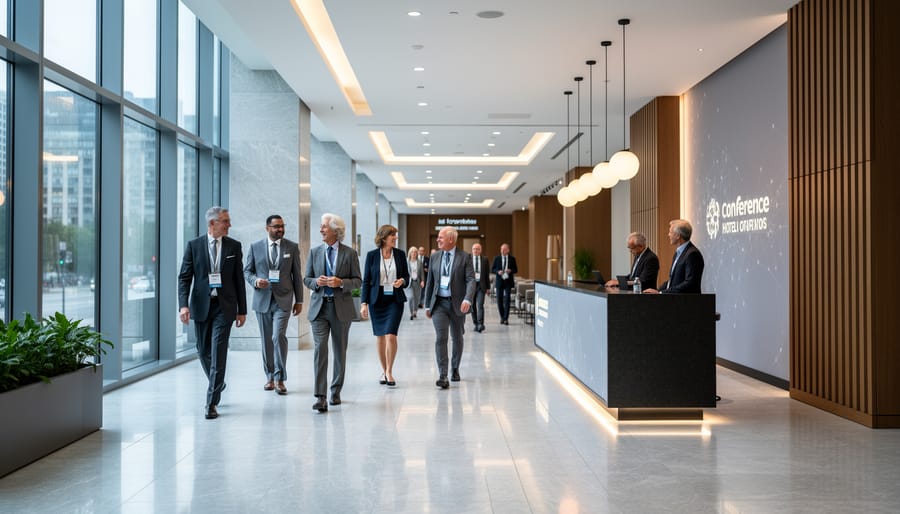
The Ontario Critical Minerals Forum runs November 24 to 25, 2026, at the Marriott Downtown at CF Toronto Eaton Centre in Toronto. It brings together more than 600 senior leaders from mining, Indigenous communities, government, finance, processing, infrastructure and the wider supply chain. That’s a wide table, and it’s the point.
The agenda centres on four themes: advancing Ontario’s next generation of critical minerals mines, building Canada’s midstream processing capacity, strategic capital and new financing models, and Indigenous partnerships and development in the Ring of Fire. Midstream processing is the step between the mine and the finished battery or alloy, where raw ore becomes usable material, and it’s where Canada has the most ground to gain.
For anyone following the province’s nickel supply chain and the push toward more sustainable mining, these are the conversations that shape what gets built, who shares in it and how it’s financed. Indigenous perspectives sit at the heart of that, particularly in the Ring of Fire, where partnership will help determine whether projects move forward in ways that last. What follows covers what the forum addresses, why it matters and what to watch as the discussions play out.
What Changed: Ontario’s Critical Minerals Conversation Comes to Toronto
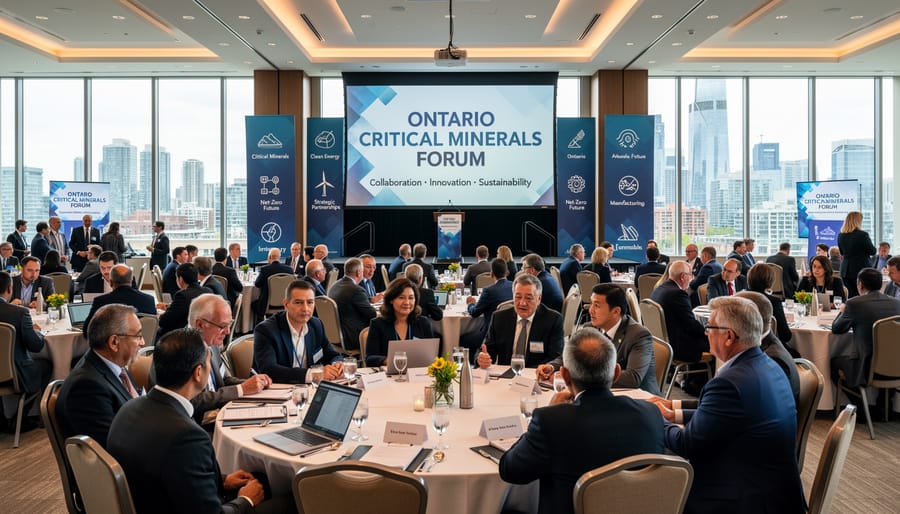
Ontario’s critical minerals conversation is moving into the room. The Ontario Critical Minerals Forum runs November 24-25, 2026, at the Marriott Downtown at CF Toronto Eaton Centre. For anyone who wants to confirm forum dates and location that listing is a good place to check.
So what does the term mean? Critical minerals are the raw materials that modern technology and the clean energy transition depend on, and whose supply can be hard to secure. Nickel, used in stainless steel and many electric vehicle batteries, is one example. That is why provinces and Canada as a whole are paying close attention, a focus reflected in the Canadian Critical Minerals Strategy.
Here are the key details at a glance:
- Dates: November 24-25, 2026
- City: Toronto, ON
- Venue: Marriott Downtown at CF Toronto Eaton Centre
- Audience: 600+ senior leaders across mining, Indigenous communities, government, finance, processing, infrastructure and the wider supply chain
It helps to be clear about what this article can and cannot tell you. The themes and the attendee mix are confirmed. The organizer, the speakers and any nickel-specific announcements are not covered here, so we won’t guess at them. What follows sticks to what is verified and explores what those themes could mean for Ontario’s nickel supply chain.
Key Developments on the Forum Agenda
1. Advancing Ontario’s Next Generation of Critical Minerals Mines
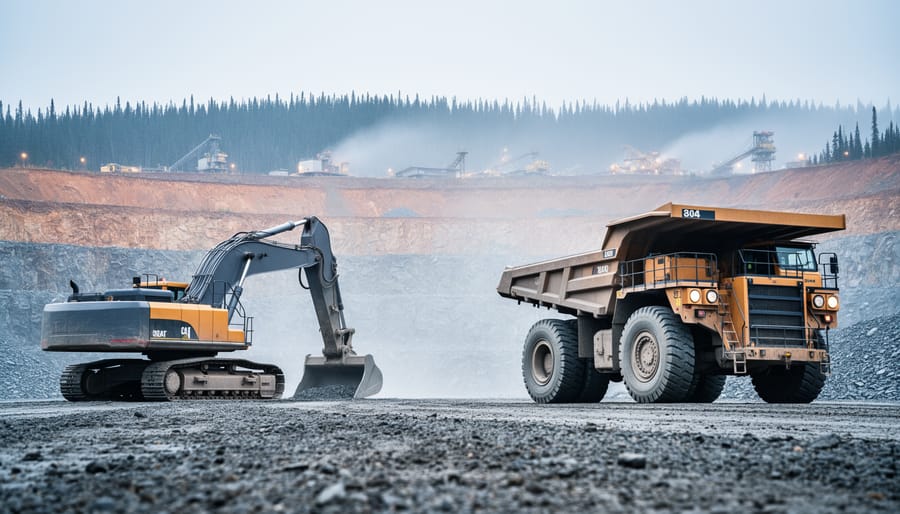
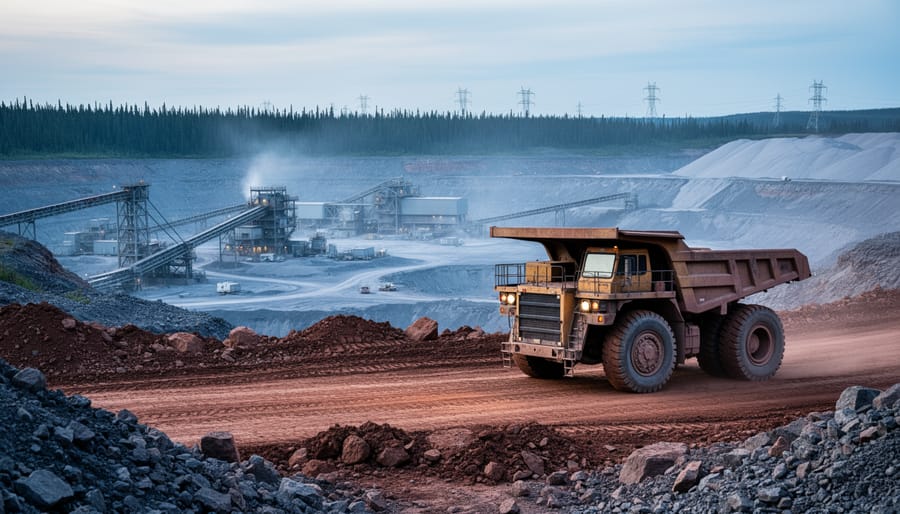
New mine development is the first item on the forum’s agenda, and it’s a fitting place to start. Nickel and other critical minerals can’t reach batteries, stainless steel or clean energy equipment until someone responsibly brings them out of the ground, which is why “advancing Ontario’s next generation of critical minerals mines” sits at the heart of the conversation.
What makes this theme worth following is the balance it demands. A modern mine isn’t judged on output alone. It has to protect land and water, deliver real benefit to nearby communities, and still make economic sense for the people investing in it. These goals can pull against each other, and the hard work is in finding approaches where they support one another.
For nickel, that balance matters even more. Demand is tied to the shift toward cleaner energy, so how the metal is mined shapes the sustainability of everything built from it. When mining, Indigenous communities, government and finance sit in one room, as they will among the forum’s 600+ attendees, the conversation can move toward projects designed responsibly from the start.
2. Building Canada’s Midstream Processing Capacity
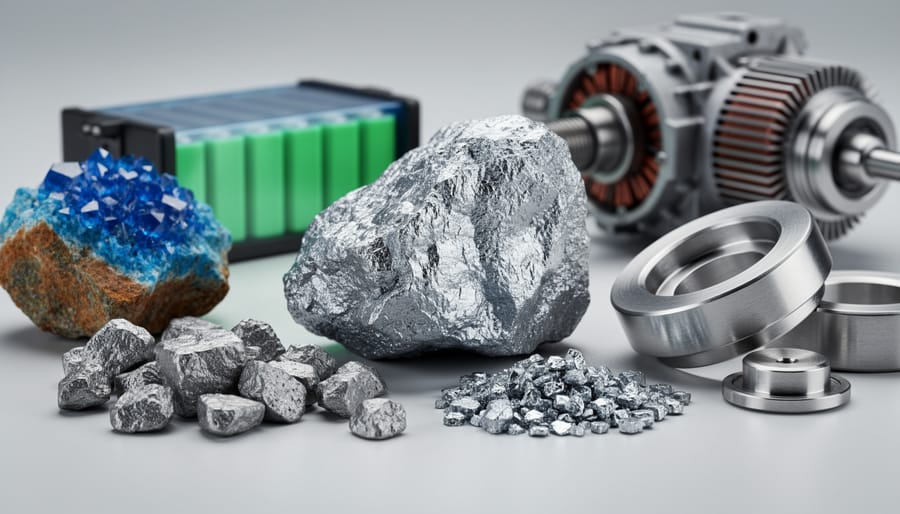
Think of mining like harvesting wheat. Pulling ore out of the ground is the harvest, but nobody eats raw grain. It has to be milled, refined and baked before it becomes something useful. Midstream processing is that middle step for minerals: turning mined ore and concentrate into refined materials that manufacturers can actually use.
For nickel, this conversation keeps coming back for a simple reason. Nickel is only as useful as its refined form, and building the facilities to produce it takes serious investment, skilled workers and long planning horizons. That is why building Canada’s midstream processing capacity is on the forum agenda.
Keeping more of that value chain in Canada could matter in two ways. It could support jobs in processing communities, and it could make supply chains more resilient for industries that depend on refined metals. Treat this as a theme to watch, not a confirmed outcome. The forum puts processing leaders, government, finance and Indigenous communities in the same conversation, and that mix is where practical, sustainable approaches can take shape.
3. Strategic Capital, Industrial Policy and New Financing Models
Why do financing and policy sit on the agenda alongside mining and processing? Because a mine or refinery can’t move forward on good geology alone. Projects like these take years to plan and a great deal of money to build, so investors, governments and communities all need clear, predictable rules before they commit.
“Strategic capital” generally means money directed toward projects seen as important to long-term supply and economic goals. “Industrial policy” refers to the frameworks governments use to support particular sectors, such as permitting approaches, incentives or partnership structures. “New financing models” are fresh ways of paying for projects, sometimes spreading risk and reward among more partners.
For sustainable nickel, these choices matter in a practical way. Cleaner mining practices, careful environmental review and meaningful community benefit all carry costs, and well-designed frameworks can help make them achievable rather than optional. The forum puts finance and government in the same room as mining and Indigenous participants, which is where those conversations tend to work best.
4. Indigenous Partnerships and Development in the Ring of Fire
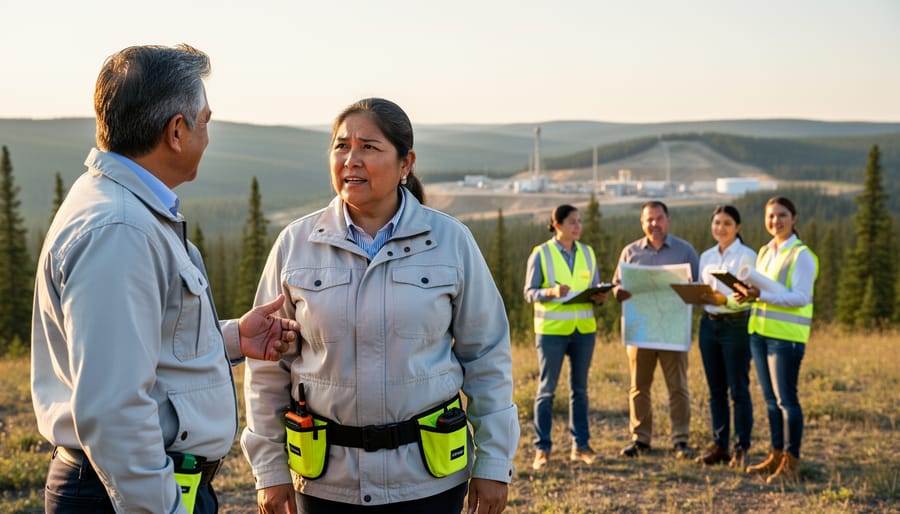
One of the forum’s four agenda themes is Indigenous partnerships and development in the Ring of Fire, the mineral-rich region in Northern Ontario. That placement matters. Indigenous communities are among the groups the forum brings together, alongside mining, government, finance and processing leaders.
First Nations are rights holders, partners and decision-makers, not stakeholders to be informed after the fact. Responsible resource development depends on meaningful consultation that starts early and continues through every stage of a project. It also depends on shared benefit, so the communities closest to the land have a real say in how opportunities are built and who gains from them. Each Nation has its own priorities and processes, and those are best heard directly from the communities themselves rather than summarized by others. For deeper background on this relationship, see our overview of Mining & Indigenous Peoples.
For anyone following Ontario’s nickel and critical minerals future, this theme is a useful reminder: lasting, sustainable projects tend to be built on trust, respect and collaboration.
Why It Matters for Ontario’s Nickel Supply Chain and Sustainable Mining
Nickel is a quiet workhorse of the clean energy transition. It goes into stainless steel and into many electric vehicle batteries, which is why it keeps appearing in conversations about critical minerals. Ontario sits at the heart of that story, with a long mining history and a growing role in how Canada thinks about secure, responsible supply.
The Ontario Critical Minerals Forum, running November 24-25, 2026 in Toronto, puts the whole chain in one room: 600+ senior leaders from mining, Indigenous communities, government, finance, processing and infrastructure. That matters because these topics are tightly linked. A new mine needs processing capacity nearby, processing needs patient investment, and investment depends on clear policy and trusted partnerships with the First Nations whose territories are involved.
It is worth being transparent here. Direct nickel supply chain links to this forum have not been confirmed, so this article draws no conclusions about specific announcements. But the themes on the agenda are the same ones that shape nickel mining in Canada, from environmental stewardship to community benefit.
When these voices talk together early, rather than in separate silos, the chances improve that projects balance economic opportunity with respect for people and land.
What to Watch After the Forum
Once the forum wraps up, the real story is what gets said and published afterward. Conversations in a conference room are one thing; confirmed commitments are another, and it can take time for the two to line up.
Start with official statements from participants. Governments, companies and industry groups often release summaries or updates after major gatherings, and these are your most reliable window into what was actually agreed. Watch for any news touching the forum’s four themes: new mine development, midstream processing capacity, financing and industrial policy, and Indigenous partnerships in the Ring of Fire.
Pay particular attention to how Indigenous communities describe their own priorities, in their own words. First Nations are rights holders and decision-makers, and their statements will say more about what responsible development looks like than any outside summary can.
For nickel specifically, be patient. Links between the forum’s themes and Ontario’s nickel supply chain may emerge slowly, if they emerge at all. Rely on primary sources, community voices and official announcements rather than speculation, and let the confirmed details lead.
Frequently Asked Questions About the Ontario Critical Minerals Forum
When and where is the Ontario Critical Minerals Forum?
The forum takes place on November 24-25, 2026, at the Marriott Downtown at CF Toronto Eaton Centre in Toronto, Ontario.
Who attends the forum?
It brings together more than 600 senior leaders from mining, Indigenous communities, government, finance, processing, infrastructure and the wider supply chain.
What themes does the forum cover?
The agenda addresses Ontario’s next generation of critical minerals mines, Canada’s midstream processing capacity, strategic capital, industrial policy and new financing models, and Indigenous partnerships and development in the Ring of Fire.
Why do critical minerals matter for nickel?
Nickel is used in stainless steel and in many electric vehicle batteries, which is why it belongs in a critical minerals discussion. This article does not cover specific nickel announcements, speakers or the event’s organizer, since those details are not confirmed here.
For readers new to the terms, critical minerals are the materials that clean energy, manufacturing and modern technology depend on, and that governments want to keep reliably available. The Ring of Fire is a mineral-rich region in Northern Ontario, and the forum’s focus on Indigenous partnership there reflects how central First Nations are to any responsible development in that part of the province.
The Ontario Critical Minerals Forum, set for November 24-25, 2026 in Toronto, puts mining, Indigenous communities, government, finance and processing leaders in one room. That mix is where good outcomes tend to start. New mines, stronger midstream capacity and thoughtful financing all matter, but they work best when built on genuine partnership with First Nations, especially around the Ring of Fire.
For anyone who cares about responsible nickel and the broader shift to renewable energy, this is a conversation worth following. Keep an eye on what participants share afterward, and listen closely to Indigenous voices describing their own priorities. Sustainable progress is a shared effort, and Ontario has a real chance to show what that looks like.